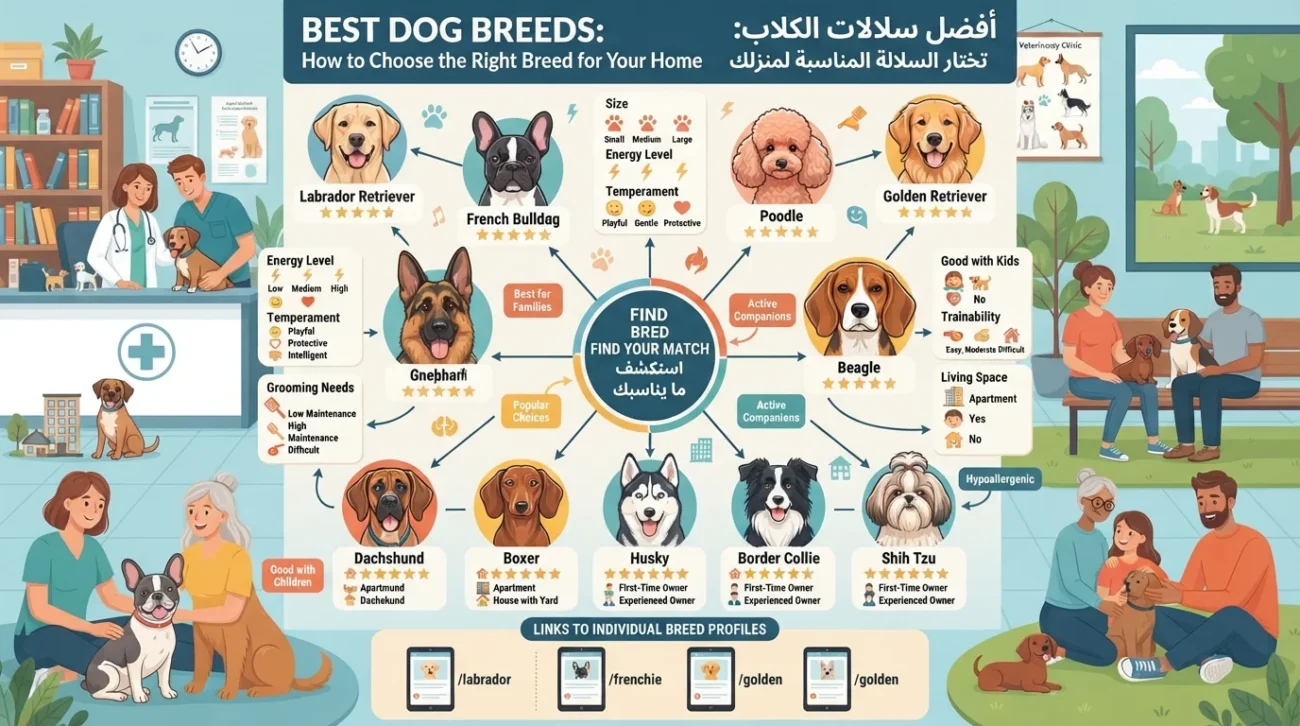
Buying a puppy is an exciting decision, but it is also a long-term responsibility. When people begin searching online, one of the first things they often notice is price. Some puppies may appear relatively affordable, while others can cost considerably more. This can make the search confusing, particularly for first-time dog owners who are unsure what is included in the price and what factors can make one puppy more expensive than another.
Searching for cheap puppies for sale in Dubai does not necessarily mean looking for the lowest possible price. A more useful approach is to look for a puppy whose overall cost, care requirements, background, and expected needs fit your budget and lifestyle.
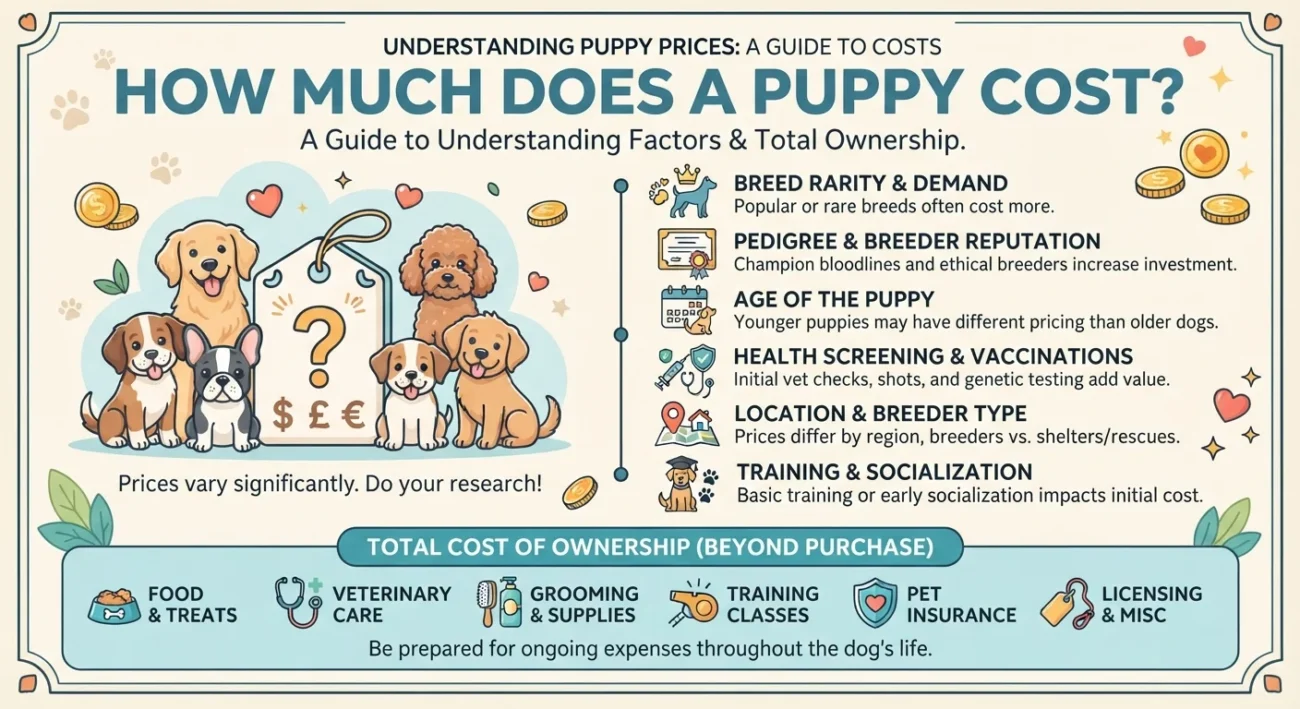
The price shown online is only one part of responsible puppy ownership. Food, veterinary care, vaccinations, grooming, training, supplies, and unexpected expenses can continue throughout the dog’s life. A puppy that costs less initially may still require substantial ongoing investment.
At the same time, a higher price does not automatically mean that a particular puppy is healthier, better behaved, or more suitable for your family. Buyers should evaluate the complete picture rather than using price as a shortcut for quality.
This guide explains how to research puppies online, understand the factors that influence prices, evaluate information provided by an online seller, and prepare for responsible ownership.
Why Puppy Price Should Not Be the Starting Point
Price Is Only One Part of the Decision
When searching for a puppy, it is natural to compare prices.
However, the first question should not be:
“Which puppy is cheapest?”
A better question is:
“Which puppy can I responsibly care for within my budget?”
This changes the entire buying process.
Instead of looking only at the initial purchase amount, consider:
- Breed characteristics
- Expected adult size
- Energy level
- Grooming requirements
- Health information
- Vaccination history
- Training needs
- Food requirements
- Veterinary expenses
- Socialization
- Long-term care
A financially responsible buyer considers both the initial and ongoing costs.
A Puppy Is a Long-Term Commitment
A puppy may be small and relatively inexpensive to care for during its earliest months, but ownership continues as the dog grows.
Your financial planning should therefore account for:
- Puppy supplies
- Food
- Veterinary visits
- Vaccinations
- Parasite prevention
- Grooming
- Training
- Toys
- Bedding
- Identification
- Boarding or pet care
- Emergency veterinary treatment
The initial purchase price should be considered part of a much larger ownership budget.
What Makes a Puppy Affordable?
Breed Can Affect Price
Breed is one of the factors that can influence puppy pricing.
Different breeds can have different levels of demand, breeding costs, availability, grooming requirements, and care considerations.
Some breeds may be more widely available, while others may be less common.
However, buyers should avoid assuming that breed alone determines value.
A puppy’s price should be evaluated alongside its background, documentation, age, health information, and the standards of the seller.
Age Can Influence Pricing
Age can also affect how puppies are priced.
Different buyers may have different preferences.
Some people specifically want a very young puppy because they want to participate in early training and development.
Others may prefer a slightly older puppy that has already developed more predictable routines.
Regardless of price, buyers should verify the puppy’s exact age and make sure it is appropriately prepared to transition to a new home.
Health Checks Add Value to the Buying Process
Health-related care can contribute to the overall cost associated with raising a puppy.
Depending on the circumstances, responsible care may include:
- Veterinary examinations
- Vaccinations
- Parasite treatment
- Health monitoring
- Appropriate nutrition
- Basic preventive care
Buyers should ask what has already been done and what will still be required after bringing the puppy home.
Vaccinations Matter
A puppy’s vaccination history is an important part of the information a buyer should review.
Do not rely solely on statements such as “vaccinated.”
Ask:
- Which vaccinations were given?
- When were they given?
- Is documentation available?
- What future vaccinations may be required?
A veterinarian should review the puppy’s records and recommend an appropriate future schedule.
Pedigree and Documentation
Pedigree can influence the price of some dogs, particularly when buyers are looking for specific breed lineage or documented ancestry.
However, pedigree should not automatically be treated as a guarantee of health or temperament.
A buyer should understand exactly what pedigree documentation means and what it does not mean.
A documented lineage can provide information about ancestry, but responsible ownership still requires attention to health, behavior, training, nutrition, and veterinary care.
Socialization Can Influence the Overall Value
Early Experiences Matter
Puppies benefit from appropriate early socialization.
A puppy that has experienced normal human interaction and age-appropriate environments may have a better foundation for adjusting to a new home.
Ask sellers about:
- Human interaction
- Handling
- Household sounds
- Interaction with other appropriate animals
- Daily routines
- Exposure to different environments
Socialization should continue after the puppy arrives in its new home.
Socialization Is Not a Guarantee
Buyers should avoid claims that a puppy is “perfectly socialized.”
Social behavior continues to develop.
Genetics, environment, training, and individual personality all contribute to how a dog behaves.
A responsible seller should describe the puppy’s experiences without making unrealistic promises.
The Cost of Responsible Care
Nutrition
Food is one of the most predictable recurring costs of dog ownership.
The amount and type of food required can vary according to:
- Age
- Size
- Activity
- Individual needs
- Veterinary recommendations
A small puppy may consume less food than a large adult dog, but owners still need to provide an appropriate diet.
Grooming
Grooming costs can vary substantially between breeds.
Some dogs have relatively simple coats.
Others may require:
- Frequent brushing
- Coat trimming
- Professional grooming
- Ear care
- Nail maintenance
- Regular bathing
When comparing affordable puppies, research grooming requirements before making a decision.
A lower purchase price may not mean lower total ownership costs.
Training
Training is another expense worth considering.
Some owners train their dogs themselves.
Others choose professional training classes or individual support.
Training can help with:
- Toilet habits
- Basic commands
- Leash manners
- Social behavior
- Household rules
- Recall
- Impulse control
The cost varies depending on the owner’s approach and the dog’s needs.
read more about dogs for sale
How to Search for a Dogs Store Online
Start With the Store, Not the Puppy
When browsing a dogs store online, many buyers immediately click on the cutest photograph.
Instead, investigate the store first.
Look at:
- How puppy information is presented
- Whether breed details are available
- Whether health information is explained
- Whether vaccination information is provided
- Whether prices are clear
- Whether contact methods are available
- Whether the purchasing process is explained
This can help you distinguish a useful buying resource from a page that simply focuses on attractive photographs.
Review the Store’s Educational Content
An informative online dog store should ideally provide more than product-style listings.
Useful educational information may cover:
- Breed characteristics
- Exercise requirements
- Grooming
- Feeding
- Training
- Puppy development
- Socialization
- Responsible ownership
Educational content helps buyers make decisions based on suitability rather than appearance alone.
Look for Clear Puppy Profiles
A good puppy profile should give buyers enough information to begin asking informed questions.
Useful details can include:
- Breed
- Age
- Sex
- Expected size
- Coat type
- Temperament observations
- Current diet
- Vaccination information
- Health records
- Availability
The exact information available will vary, but vague listings should encourage additional questions.
What Information Should an Online Dog Store Provide?
Basic Puppy Information
At minimum, buyers should be able to determine exactly which puppy is being offered.
A profile should clearly identify the puppy rather than relying on generic descriptions.
Look for:
- Clear photographs
- Breed identification
- Age
- Sex
- Relevant characteristics
- Price
Health Information
Health information should be presented accurately.
Ask whether the puppy has:
- Received a veterinary examination
- Received vaccinations
- Received appropriate parasite treatment
- Had any known health concerns
If records are available, review them carefully.
Recent Photos
Photos are useful, but they should not be treated as proof of health or temperament.
Recent photographs can help buyers confirm what the puppy currently looks like.
When reviewing images, consider whether:
- The puppy is clearly identifiable
- The images appear recent
- The puppy’s appearance is consistent across photographs
- The environment provides useful context
If something is unclear, ask for clarification.
Breed Information
A reliable dogs store online should provide useful information about the breed rather than relying entirely on promotional language.
Buyers should learn about:
- Typical adult size
- Energy
- Exercise
- Grooming
- Temperament
- Training
- Socialization
- Lifestyle suitability
This information is essential for first-time owners.
Why Cute Dogs for Sale Can Be a Difficult Search
Appearance Creates an Immediate Emotional Response
Searching for cute dogs for sale is completely understandable.
Puppies are naturally appealing, and photographs can make it easy to imagine bringing one home.
The problem occurs when appearance becomes the main decision-making factor.
A cute face cannot tell you whether the dog fits your home.
Beauty Does Not Reveal Lifestyle Compatibility
Two puppies may look equally adorable while having very different needs.
One may eventually become a highly energetic adult.
Another may need extensive grooming.
Another may be more vocal.
Another may require significant training.
Therefore, appearance should be the beginning of interest, not the end of research.
Consider the Adult Dog
When looking at cute puppies, remember that the puppy will not remain a puppy forever.
Ask:
- How large will it become?
- How active will it be?
- What grooming will it need?
- What type of temperament is typical?
- Can my home accommodate it?
- Can I afford its long-term care?
These questions protect buyers from making emotional decisions that later become difficult.
How to Check a Puppy Before Buying Online
Verify the Exact Age
Ask for the puppy’s date of birth.
This is more useful than simply being told that the puppy is “young.”
The puppy’s age can influence:
- Feeding
- Vaccination requirements
- Training
- Toilet routines
- Socialization
- Transition to a new home
Ask for Vaccination Records
Request specific details rather than accepting a general statement.
Ask to see:
- Vaccination dates
- Vaccine information
- Veterinary documentation where available
- Future care requirements
Take these records to your veterinarian after purchase.
Ask About Veterinary Examination
Find out whether the puppy has received professional veterinary attention.
Ask:
- When was the most recent examination?
- Were any concerns identified?
- Is documentation available?
- Has the puppy received parasite treatment?
A veterinary assessment after bringing the puppy home is still important.
Ask About the Puppy’s Daily Routine
This is a simple but useful question.
Ask what the puppy’s current routine looks like.
For example:
- Feeding schedule
- Sleeping schedule
- Toilet routine
- Play
- Human interaction
- Socialization
This information can help you prepare for the transition.
Evaluate the Puppy’s Living Conditions
Cleanliness
If information about the puppy’s environment is available, consider whether the conditions appear clean and appropriate.
Clean surroundings do not prove that a puppy is healthy, but poor conditions should raise questions.
Space
Puppies need sufficient room to move, rest, and interact safely.
The environment should not appear excessively crowded or unsuitable.
Human Interaction
Young puppies benefit from appropriate human interaction.
Ask how frequently they are handled and whether they have experienced normal household activity.
Ask About the Puppy’s Parents
Parent Breed Information
Knowing the parents can help clarify expected adult characteristics.
Ask:
- What breed are the parents?
- What size are they?
- Is the parentage documented?
- Are health records available?
Parent Temperament
If information is available, ask about the parents’ temperaments.
This does not guarantee the puppy’s future personality, but it can provide useful context.
Parent Health
For breeds with recognized inherited health considerations, ask what health information or screening is available for the parents.
A responsible approach is to discuss these questions openly rather than making absolute health claims.
Communication Is a Major Buying Factor
How Quickly Does the Seller Respond?
Response time alone does not determine whether a seller is reliable.
However, communication should generally be professional and reasonably consistent.
More importantly, examine the quality of the answers.
Are questions answered directly?
Are records explained?
Does the seller encourage informed decisions?
Are Questions Welcomed?
A buyer should feel comfortable asking about:
- Age
- Health
- Vaccinations
- Breed
- Parents
- Socialization
- Feeding
- Delivery
- Future care
If basic questions are treated as a problem, consider whether you have enough information to proceed.
Written Information Matters
Important details should ideally be provided in a form that can be reviewed later.
This can include:
- Puppy details
- Health records
- Vaccination information
- Delivery arrangements
- Purchase information
Clear written communication reduces misunderstandings.
Why the Cheapest Puppy Is Not Always the Best Choice
Initial Price Does Not Equal Total Cost
A lower purchase price may be attractive.
But the real financial question is the total cost of ownership.
Consider the puppy’s:
- Food
- Veterinary needs
- Grooming
- Training
- Supplies
- Insurance or emergency planning where applicable
- Long-term care
The difference between two purchase prices may become relatively small compared with years of ongoing expenses.
Higher Price Does Not Guarantee Quality Either
The opposite assumption is also dangerous.
A more expensive puppy is not automatically healthier or more suitable.
Price can reflect many factors, including breed demand, lineage, care, availability, and other seller-specific considerations.
Buyers should evaluate evidence rather than equating price with quality.
What Does “Affordable” Actually Mean?
Affordable Means Sustainable
A puppy is affordable when you can realistically meet its needs without creating financial stress that compromises its care.
This includes both predictable and unexpected expenses.
Consider Your Monthly Budget
Before buying, estimate:
- Food
- Grooming
- Routine veterinary care
- Training
- Supplies
- Pet care during travel
Then consider whether you can handle unexpected veterinary costs as well.
Understanding Cheap Puppies for Sale in Dubai
Search With a Checklist
People searching for cheap puppies for sale in Dubai should avoid entering the search with price as the only criterion.
Instead, create a checklist.
For every puppy, ask:
Price: What exactly is included?
Age: How old is the puppy?
Health: What records are available?
Vaccinations: What has already been administered?
Breed: Is the breed clearly identified?
Size: What should I expect as an adult?
Temperament: What is known about the individual puppy?
Socialization: What experiences has the puppy had?
Care: How has the puppy been raised?
Communication: Can I get clear answers?
This creates a much more responsible buying process.
Compare Total Value
Instead of comparing prices alone, compare the overall information available.
For example, one puppy may have a lower price but limited documentation.
Another may cost more but have clearer information, documented veterinary care, and a more transparent background.
The buyer should evaluate the complete situation.
How Dubai Buyers Should Think About Lifestyle
Climate
Dubai’s climate is an important consideration for dog owners.
Exercise schedules may need to be adjusted during very hot periods.
Indoor enrichment can become an important part of the daily routine.
Home Type
Consider whether you live in:
- Apartment
- Villa
- Townhouse
- Shared accommodation
Your living environment can affect exercise, noise, space, and toilet routines.
Building Rules
Apartment residents should confirm whether their building allows dogs and whether there are specific requirements concerning common areas, elevators, or leashes.
How to Compare Puppies Without Creating a Price List
Build a Comparison Table
A simple private comparison can help.
| Factor |
Puppy A |
Puppy B |
Puppy C |
| Breed |
|
|
|
| Age |
|
|
|
| Expected adult size |
|
|
|
| Price |
|
|
|
| Vaccination information |
|
|
|
| Health records |
|
|
|
| Grooming needs |
|
|
|
| Exercise needs |
|
|
|
| Temperament |
|
|
|
| Socialization |
|
|
|
| Seller communication |
|
|
|
This method encourages buyers to evaluate more than price.
Research the Breed Before Contacting the Seller
Learn the Basics
Before contacting a seller, understand the breed’s typical characteristics.
Research:
- Energy
- Size
- Coat
- Exercise
- Training
- Temperament
- Common health considerations
This makes your questions more specific.
read more about puppies for sale
Consider Mixed-Breed Dogs Too
Buyers should not assume that only purebred dogs can be good companions.
Mixed-breed dogs can also become wonderful family pets.
The same principles apply:
- Individual temperament
- Health
- Socialization
- Lifestyle compatibility
- Long-term care
The focus should remain on the individual dog and responsible ownership.
How to Recognize Useful Puppy Information
Specificity
Specific information is more useful than broad claims.
Compare:
“Healthy and happy.”
with:
“The puppy received a veterinary examination on a specific date and has documented vaccination information.”
The second statement gives the buyer something concrete to evaluate.
Consistency
Information should remain consistent.
If the puppy’s age, breed, or background changes during the conversation, ask why.
Transparency
The seller should be willing to explain what is known and what is not known.
No responsible seller should need to invent information simply to make a sale.
Warning Signs Buyers Should Take Seriously
Pressure to Pay Immediately
Pressure can prevent careful research.
Missing Basic Information
If you cannot establish the puppy’s age, breed, or basic health information, pause before purchasing.
Contradictory Details
Inconsistent information should be clarified.
Unrealistic Health Promises
Avoid claims that suggest a dog can never develop health problems.
No Clear Communication
If questions consistently go unanswered, you may not have enough information to make a responsible decision.
Price That Seems Suspiciously Low
A very low price deserves investigation.
Ask what explains the price.
Do not assume that low price automatically means fraud, but do not ignore unanswered questions either.
Responsible Online Purchasing
Do Not Make an Emotional Purchase
Puppies create strong emotional reactions.
Give yourself time to think.
Verify Before Paying
Review the available information before committing.
Understand the Process
Make sure you know:
- How payment works
- What documentation is provided
- How delivery works
- What happens after purchase
- What you need to prepare
Keep Records
Save important communications and documentation.
This is particularly useful for online transactions.
Preparing for Your New Puppy
Prepare the Home
Before the puppy arrives, remove or secure hazards.
Protect:
- Electrical cables
- Cleaning chemicals
- Medicines
- Small objects
- Unsafe plants
- Accessible trash
- Dangerous foods
- Open balconies
Buy Basic Supplies
You may need:
- Food and water bowls
- Appropriate puppy food
- Bed
- Crate if desired
- Collar
- Harness
- Leash
- Toys
- Cleaning supplies
- Grooming tools
Establish a Safe Area
Create a quiet area where the puppy can sleep and relax.
A predictable space can help the puppy adjust.
Plan the First Veterinary Visit
Bring the Records
Take all available vaccination and health documentation to the veterinarian.
Ask About Future Care
Discuss:
- Vaccinations
- Parasite prevention
- Nutrition
- Growth
- Dental care
- Exercise
- Training
- Identification
The veterinarian can create a care plan appropriate for the individual puppy.
Establish a Routine
Feeding
Keep feeding times consistent initially.
Toilet Training
Take the puppy out according to an age-appropriate schedule.
Sleep
Puppies need considerable rest.
Do not assume that constant activity is beneficial.
Play
Use short, age-appropriate play sessions.
Training
Keep training sessions brief and positive.
What First-Time Owners Often Underestimate
Time
Puppies need supervision.
Cleaning
Accidents happen.
Training
Good behavior must be taught.
Grooming
Coat maintenance can become a recurring responsibility.
Veterinary Care
Routine and unexpected care should be budgeted.
Emotional Commitment
A dog becomes part of your daily life.
Choosing Based on Lifestyle Instead of Trends
Avoid Social Media Decisions
A breed may become popular because of videos or photographs.
Popularity does not mean it fits your life.
Ask the Most Important Question
Instead of asking:
“Which puppy is most popular?”
ask:
“Which dog can I care for properly for its entire life?”
That is the foundation of responsible ownership.
A Practical Buyer Checklist
Before purchasing from a dogs store online, review the following.
Puppy
Health
Seller
Lifestyle
Finances
read more about best dog breeds
Searching for cheap puppies for sale in Dubai can be a useful starting point for buyers who need to work within a particular budget, but affordability should never be reduced to the lowest advertised price.
The better approach is to understand what makes a puppy affordable over the long term.
Breed, age, health care, vaccinations, pedigree, socialization, grooming, food, training, and veterinary care can all influence the real cost of ownership. A puppy with a lower purchase price may still require significant expenses later, while a higher-priced puppy is not automatically a better choice.
When browsing a dogs store online, buyers should therefore look beyond photographs and prices. Look for clear puppy information, recent images, breed details, vaccination records, health information, transparent pricing, and professional communication.
The phrase cute dogs for sale may describe what initially catches your attention, but appearance should never be the primary reason for choosing a dog. A beautiful puppy may not be appropriate for your home, schedule, budget, or experience. The most suitable puppy is the one whose physical, behavioral, social, and care requirements you can meet responsibly.
Likewise, when researching cheap puppies for sale in Dubai, do not assume that inexpensive means unsuitable or that expensive means superior. Investigate the circumstances behind the price and evaluate the complete information available.
The ultimate goal is not simply to find an affordable puppy.
It is to find a suitable companion from a transparent source and begin ownership with realistic expectations.
A thoughtful buyer researches before purchasing, asks questions before paying, prepares the home before the puppy arrives, and understands that the financial commitment continues long after the first transaction.
That approach protects the buyer from impulsive decisions while also putting the puppy’s welfare first.
For a first-time dog owner, this is the most valuable lesson of online puppy shopping: choose with information, budget with the future in mind, and let responsible ownership matter more than price or appearance.