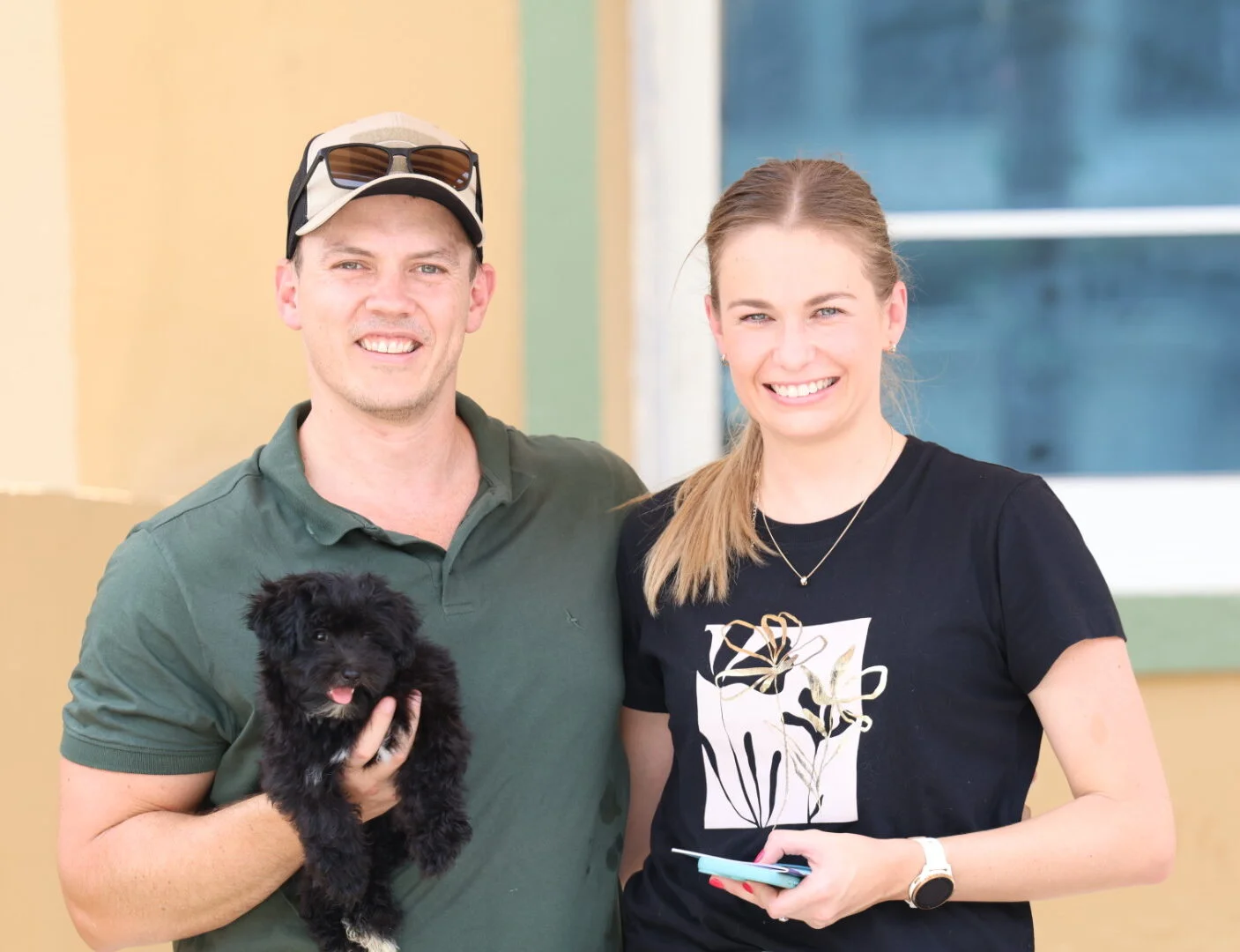
Buying a puppy is an exciting decision, but it is also a serious long-term commitment. A puppy is not simply a cute addition to the household. It is a living animal that will depend on you for food, veterinary care, training, exercise, socialization, companionship, and a safe environment for many years.
That is why knowing what to ask before buying a puppy is just as important as choosing the breed, appearance, or personality you prefer.
Whether you are speaking with a responsible breeder, a rescue organization, or another legitimate source, asking detailed questions can help you understand the puppy’s health, background, daily routine, temperament, and care requirements. It can also help you recognize warning signs before you make a commitment.
A good seller or breeder should be willing to answer reasonable questions and provide appropriate documentation. You should not feel pressured to make a decision immediately simply because a puppy is available.
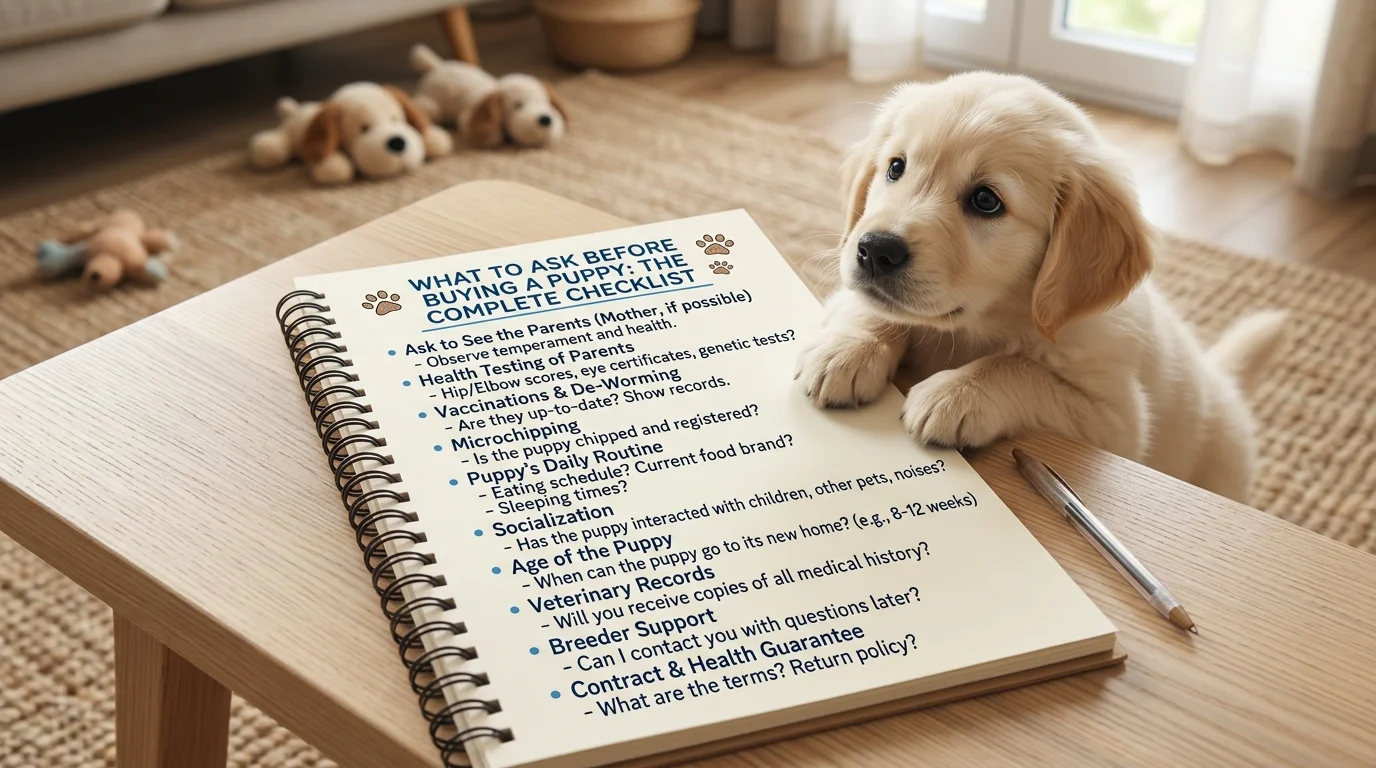
This complete puppy buying checklist covers the most important questions to ask a breeder, including health history, parents, vaccinations, feeding, behavior, socialization, age, medical records, living conditions, and the puppy’s daily routine.
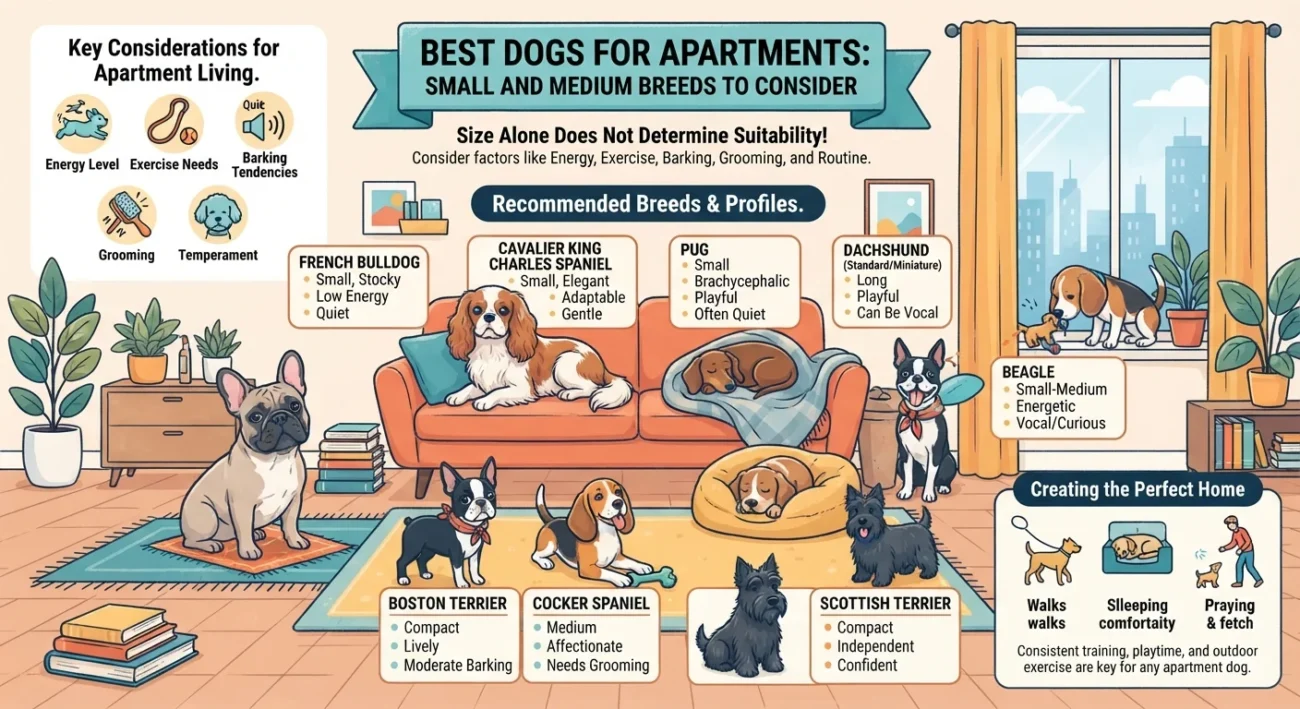
read more about best dogs for apartments
Why Asking Questions Before Buying a Puppy Matters
A Puppy Is a Long-Term Responsibility
Dogs can live for many years, so choosing a puppy affects your household for a long time.
Before buying, consider whether you can realistically provide:
- Daily care
- Appropriate food
- Veterinary treatment
- Training
- Exercise
- Social interaction
- Grooming
- Safe housing
- Emergency care
- Financial support
The puppy’s current condition is only one part of the decision.
You also need to understand what care the puppy is likely to require as it grows.
Questions Can Reveal Problems
Responsible sellers generally expect potential owners to ask questions.
If someone avoids basic questions about health, vaccinations, parents, living conditions, or medical records, treat that as a warning sign.
A trustworthy breeder should be able to explain where the puppies were raised, what they have been eating, what veterinary care they have received, and how they have been socialized.
Questions to Ask About the Puppy’s Age
How Old Is the Puppy?
One of the first questions to ask is the puppy’s exact age.
Do not choose a puppy based solely on appearance. Young puppies need time with their mother and littermates to develop appropriate social and behavioral skills.
Ask for the puppy’s date of birth and verify it against available records.
When Can the Puppy Go Home?
Ask when the puppy is expected to leave its mother and littermates.
The appropriate age for going home can depend on local regulations, breed considerations, veterinary advice, and individual circumstances. In many situations, puppies should not be separated from their mother and littermates too early.
A responsible breeder should be able to explain why the puppy is ready to leave.
Has the Puppy Been Fully Weaned?
Ask whether the puppy is eating solid food independently.
You should also ask:
- When did weaning begin?
- What food is the puppy eating?
- How many meals does it receive?
- Does it drink water independently?
- Has it had any feeding difficulties?
These details can help you maintain continuity after bringing the puppy home.
Questions About the Puppy’s Health
Has the Puppy Been Examined by a Veterinarian?
Ask whether a veterinarian has examined the puppy.
Find out:
- When was the examination?
- What was checked?
- Were any abnormalities identified?
- Was treatment recommended?
- Are there follow-up appointments?
Do not rely solely on a seller’s statement that a puppy “looks healthy.”
Has the Puppy Had Any Health Problems?
Ask directly whether the puppy has ever experienced:
- Diarrhea
- Vomiting
- Coughing
- Sneezing
- Breathing problems
- Skin problems
- Ear infections
- Eye discharge
- Poor appetite
- Parasites
- Lethargy
- Injuries
A responsible seller should provide an honest history rather than hiding minor or
previous problems.
Has the Puppy Received Parasite Treatment?Ask whether the puppy has been treated for common internal or external parasites.
Ask for:
- Dates of treatment
- Product names
- Dosage information
- Veterinary recommendations
- Future treatment instructions
Do not administer medication based solely on a seller’s informal recommendation. Your veterinarian can advise you about an appropriate schedule.
Questions About Vaccinations
Which Vaccines Has the Puppy Received?
Vaccination history should be clearly documented.
Ask:
- Which vaccines were given?
- On what dates?
- Who administered them?
- Which doses are still needed?
- When is the next vaccination due?
The specific vaccination schedule can vary depending on age, location, lifestyle, and
veterinary guidance.
Can I See the Vaccination Records?
Always ask to see the puppy’s vaccination documentation.
The records should identify the puppy where appropriate and provide relevant dates and vaccine information.
Keep these documents after purchase or adoption and give copies to your veterinarian if needed.
Does the Puppy Need More Vaccines?
A puppy may not have completed its entire vaccination series when it goes to its new home.
Ask the breeder or seller what remains to be done, but confirm the schedule with your own veterinarian.
read more about small dogs for sale
Questions About Medical Records
Does the Puppy Have a Complete Medical Record?
Ask whether the puppy has veterinary records that document its medical history.
Useful information can include:
- Veterinary examinations
- Vaccinations
- Parasite treatments
- Medications
- Illnesses
- Injuries
- Diagnostic tests
- Previous treatments
Can I Contact the Veterinarian?
If appropriate documentation is provided, you may ask whether the veterinarian’s information is available.
Do not assume that the absence of a veterinarian’s contact details automatically means something is wrong, but incomplete documentation deserves further questions.
Are There Any Known Medical Conditions?
Ask specifically about known health concerns.
A puppy may appear perfectly normal while having a condition that requires monitoring.
Understanding known issues before purchase allows you to make an informed decision and prepare for potential veterinary care.
Questions About the Puppy’s Parents
Can I Meet the Mother?
Meeting the mother can provide useful information about her health, behavior, and living conditions.
Observe whether she appears:
- Alert
- Comfortable
- Well cared for
- Appropriately social
- In reasonable physical condition
You should also consider how she behaves around people.
Can I See the Father?
The father may not always live at the breeder’s location.
If he is unavailable, ask for information about him.
Useful questions include:
- Where does he live?
- What breed is he?
- How old is he?
- Has he had health screening?
- What is his temperament?
- Does he have any known hereditary conditions?
What Are the Parents’ Temperaments Like?
Temperament can have a genetic component.
Ask how the parents behave around:
- Strangers
- Children
- Other dogs
- New environments
- Handling
- Household activity
This does not guarantee how an individual puppy will behave as an adult, but it provides useful background.
Questions About Genetic and Breed-Related Health
Have the Parents Been Health Tested?
Depending on the breed, certain inherited conditions may be more common.
Ask what health screening has been performed on the parents and request relevant documentation.
The appropriate tests vary by breed.
Are There Known Health Conditions in the Family?
Ask whether parents, grandparents, or other relatives have experienced significant hereditary problems.
This is especially important for breeds with known predispositions to particular conditions.
What Health Risks Are Common in This Breed?
A responsible breeder should be willing to discuss breed-related health concerns.
Ask:
“What health problems should I be aware of as this puppy grows?”
This question can reveal whether the breeder is knowledgeable and transparent.
Questions About Food and Feeding
What Is the Puppy Eating?
One of the most practical questions to ask before taking a puppy home is what it currently eats.
Find out:
- Brand or type of food
- Amount per meal
- Number of meals per day
- Feeding times
- Treats
- Any supplements
- Any food sensitivities
Keeping the puppy’s diet consistent initially can make the transition easier.
How Much Does the Puppy Eat?
Ask about portion sizes rather than guessing.
Puppies have different nutritional requirements depending on their age, size, breed, growth rate, and health.
Your veterinarian can help you establish an appropriate feeding plan after you bring the puppy home.
Has the Puppy Experienced Any Digestive Problems?
Ask whether the puppy has had:
- Loose stools
- Constipation
- Vomiting
- Food intolerance
- Poor appetite
Sudden dietary changes can also cause digestive upset, so understanding the existing routine is valuable.
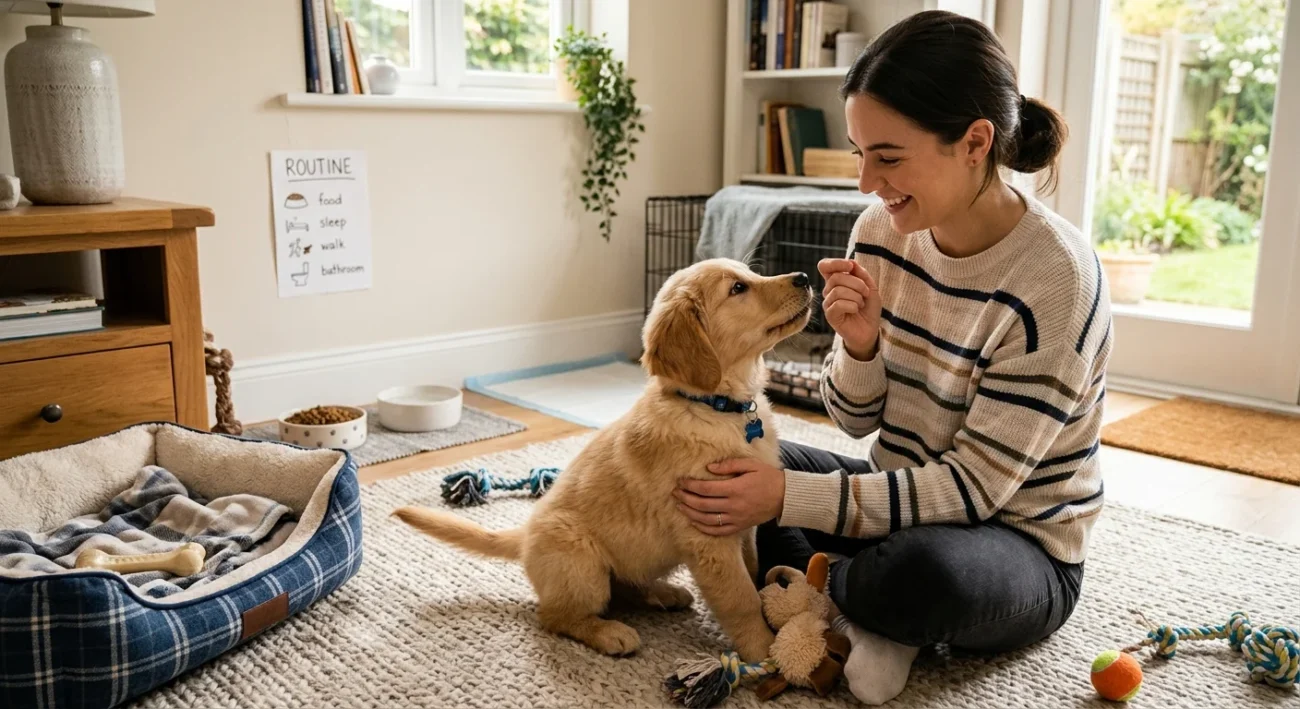
Questions About the Puppy’s Daily Routine
What Does a Typical Day Look Like?
Ask the breeder to describe a normal day.
For example:
- What time does the puppy wake up?
- When does it eat?
- When does it play?
- When does it sleep?
- When does it go outside?
- How often is it handled?
- How much time does it spend with littermates?
This information can help you prepare your home before the puppy arrives.
How Much Does the Puppy Sleep?
Young puppies typically sleep a significant amount.
Ask what the puppy’s current sleeping routine looks like and where it sleeps.
Knowing its routine can help you create a comfortable transition.
Is the Puppy Used to a Crate?
If you plan to use crate training, ask whether the puppy has already experienced a crate.
Find out:
- How long it stays inside
- Whether it sleeps there
- Whether it becomes distressed
- Whether it is comfortable entering voluntarily
You can then continue training gradually at home.
Questions About Toilet Training
Has Toilet Training Started?
Ask whether the puppy has begun learning where to eliminate.
Do not expect a young puppy to be fully house-trained.
Instead, find out what habits have already been established.
What Surface Does the Puppy Use?
Some puppies may be accustomed to:
- Grass
- Outdoor ground
- Puppy pads
- Indoor designated areas
Knowing this can make the transition easier.
How Often Does the Puppy Need Toilet Breaks?Ask how frequently the puppy normally eliminates.
Young puppies need frequent opportunities because they have limited bladder control.
Your veterinarian can also help you establish an age-appropriate routine.
Questions About Behavior
How Would You Describe the Puppy’s Personality?
Ask the breeder to describe each puppy individually.
Avoid choosing only based on labels such as “the cutest” or “the most playful.”
Ask whether the puppy is generally:
- Confident
- Curious
- Calm
- Energetic
- Independent
- Social
- Sensitive
- Easily startled
Every puppy has an individual personality.
Is the Puppy Comfortable Being Handled?
Ask whether the puppy has been gently handled regularly.
Handling can include exposure to normal experiences such as:
- Touching paws
- Looking at ears
- Examining the mouth
- Gentle brushing
- Being picked up appropriately
These experiences can help prepare a puppy for grooming and veterinary care when introduced appropriately.
How Does the Puppy React to New People?
Ask how the puppy behaves when unfamiliar people visit.
A puppy does not need to be fearless, but you want to understand its typical response.
Does it approach?
Does it observe from a distance?
Does it become extremely frightened?
A responsible breeder can help you interpret these behaviors in context.
read more about large dogs for sale
Questions About Socialization
What Socialization Has the Puppy Received?
Early socialization involves carefully introducing puppies to appropriate people, environments, sounds, surfaces, handling, and experiences.
Ask what the puppy has experienced so far.
Possible exposures include:
- Different household sounds
- Adults
- Children
- Gentle handling
- Household objects
- Different floor surfaces
- Car rides
- Safe outdoor environments
- Other healthy, appropriately vaccinated dogs
Has the Puppy Been Around Children?
If you have children, ask whether the puppy has interacted with children.
Find out how the interactions were supervised and how the puppy responded.
This does not guarantee compatibility with your specific children, but it provides useful information.
Has the Puppy Been Around Other Dogs?
Ask whether the puppy has interacted with its mother, littermates, or other appropriate dogs.
Also ask how those interactions were managed.
Puppies can learn valuable social skills through appropriate interactions with other dogs.
Questions About Training
Has Basic Training Started?
Ask whether the puppy has learned any basic behaviors.
For example:
- Responding to its name
- Coming when called
- Sitting
- Waiting briefly
- Walking on a leash
- Settling calmly
- Appropriate chewing
Do not expect a young puppy to have advanced obedience skills.
What Training Methods Are Used?
Ask how the breeder approaches training.
Positive, reward-based methods are generally preferred for teaching puppies.
Be cautious if the breeder describes harsh punishment, intimidation, or physically aggressive training as normal practice.
Questions About the Puppy’s Living Environment
Where Are the Puppies Raised?
Ask where the puppies spend most of their time.
Are they raised:
- Inside the home?
- In a kennel?
- In a separate room?
- Outdoors?
- In a combination of environments?
The environment can influence early socialization and exposure to everyday experiences.
How Clean Is the Living Area?
The puppies’ environment should be appropriately maintained.
Look for reasonable cleanliness, access to clean water, suitable bedding, and safe surroundings.
Poor hygiene or overcrowding can raise concerns about health and welfare.
Are the Puppies Kept in Overcrowded Conditions?
Ask how many dogs and puppies are being cared for.
An extremely large number of animals may make individual attention, hygiene, and socialization more difficult.
Questions About Exercise and Activity
How Active Is the Puppy?
Ask how much supervised activity the puppy receives.
Puppies need age-appropriate activity, but excessive exercise can also be inappropriate for growing puppies, particularly in certain breeds.
What Toys Does the Puppy Use?
Ask what types of toys the puppy already enjoys.
This can help you prepare your home.
Suitable puppy toys may include:
- Chew toys
- Food puzzles
- Soft toys designed for puppies
- Interactive toys
- Age-appropriate enrichment items
Always supervise puppies with toys and remove damaged items.
Questions About Grooming
Is the Puppy Used to Grooming?
Depending on the breed, grooming can become a major part of routine care.
Ask whether the puppy has experienced:
- Brushing
- Nail handling
- Ear handling
- Bathing
- Gentle drying
- Grooming equipment
Early positive exposure can make future grooming easier.
How Often Will the Breed Need Grooming?
Ask what grooming requirements you should expect as the puppy matures.
Some breeds require frequent professional grooming, while others have simpler coat-care needs.
Understanding the commitment before purchase can prevent unpleasant surprises later.
Questions About the Breed
Is This Breed Suitable for My Lifestyle?
Do not choose a breed solely because you like its appearance.
Ask about:
- Exercise needs
- Training requirements
- Energy level
- Grooming
- Typical temperament
- Size
- Barking tendencies
- Independence
- Social needs
A good breeder should ask you questions too.
What Are the Breed’s Common Challenges?
Ask what can be difficult about owning this breed.
A responsible breeder should not describe the breed as perfect.
Every breed has characteristics that may or may not fit a particular household.
Questions About Identification and Registration
Is the Puppy Microchipped?
Ask whether the puppy has been microchipped and whether the registration information needs to be transferred.
Make sure the identification details are documented correctly.
Is the Puppy Registered?
Depending on your location and the circumstances of the purchase, the puppy may have registration documentation.
Ask what registration documents are included and what they actually mean.
Registration should not replace health screening or responsible breeding practices.
Questions About the Purchase Agreement
Is There a Written Contract?
Ask whether the purchase includes a written agreement.
Read it carefully before signing.
The contract may address:
- Health guarantees
- Return policies
- Registration
- Ownership conditions
- Spay or neuter requirements
- Breeding restrictions
- Responsibilities if serious health problems occur
What Happens If I Cannot Keep the Dog?
This is an extremely important question.
Ask whether the breeder will accept the dog back or help find a suitable new home if circumstances change.
Responsible breeders often care about where their puppies end up throughout their lives.
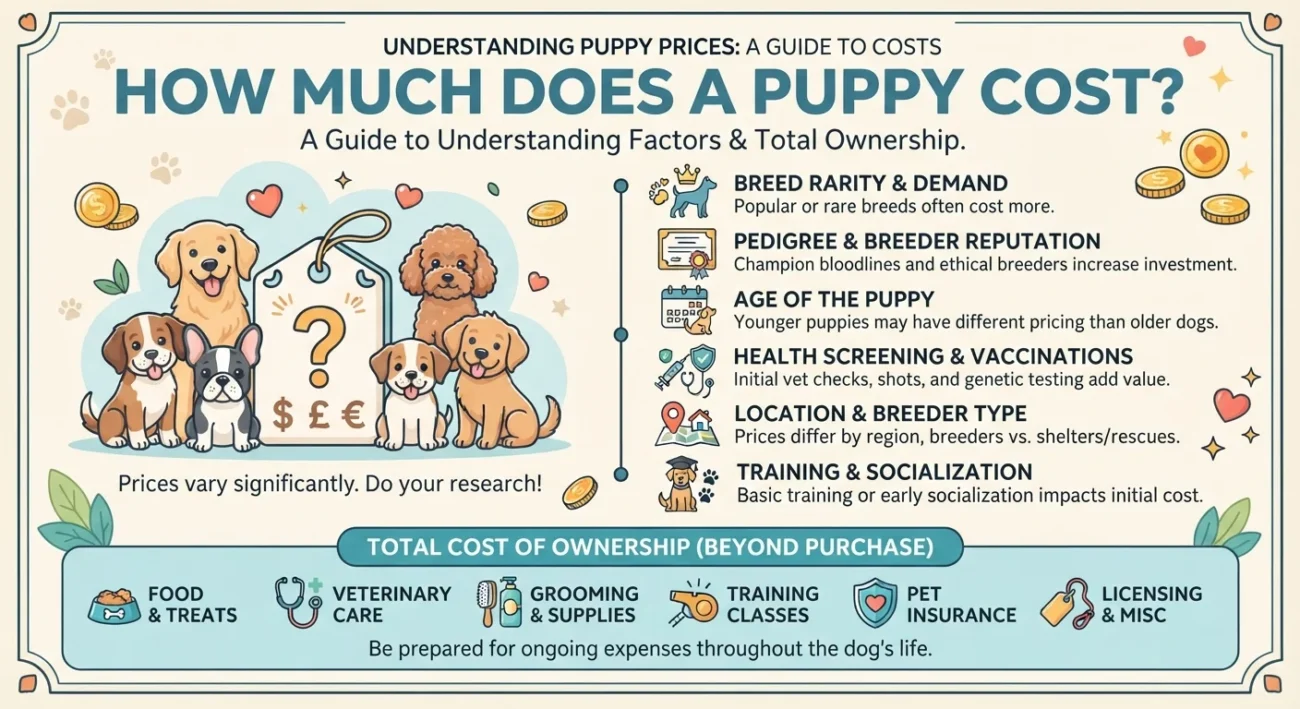
read more about how much does a puppy cost
Questions About the Puppy’s Future Veterinary Care
When Should I Visit My Veterinarian?
Ask when the puppy should receive its first appointment after coming home.
Then arrange your own veterinary care according to professional advice.
What Preventive Care Is Due Next?
Ask what needs to happen next regarding:
- Vaccinations
- Parasite prevention
- Veterinary examinations
- Identification
- Future preventive care
Keep a written schedule so important appointments are not forgotten.
Questions to Ask About Other Puppies in the Litter
Are the Other Puppies Healthy?
Ask whether other puppies in the litter have experienced illnesses or significant health problems.
One puppy’s condition can sometimes provide useful context about the health of the litter.
Has Any Puppy Died or Become Seriously Ill?
This may feel like an uncomfortable question, but it is reasonable.
Ask whether there have been unexplained deaths, severe illnesses, or significant complications in the litter.
A responsible seller should be transparent about important health events.
Questions About Previous Litters
Have You Raised This Breed Before?
Ask how long the breeder has worked with the breed.
Experience alone does not guarantee responsible breeding, but it can help you understand their knowledge and practices.
Can You Provide References or Previous Buyer Experiences?
If appropriate, ask whether previous puppy owners are willing to share their experiences.
Do not rely exclusively on testimonials, but consider them alongside documentation and your own observations.
Warning Signs When Buying a Puppy
The Seller Refuses Basic Questions
Be cautious if the seller:
- Avoids health questions
- Refuses to show records
- Cannot provide a birth date
- Does not know what the puppy eats
- Avoids questions about the parents
- Pressures you to pay immediately
Transparency is important.
You Cannot See Where the Puppy Was Raised
If possible and appropriate, you should understand the environment in which the puppy was raised.
Be cautious about situations where a seller insists on meeting somewhere unrelated to the puppy’s normal living environment without a reasonable explanation.
The Puppy Is Offered at an Extremely Young Age
Very young puppies may not be ready to leave their mother and littermates.
Ask why the puppy is being offered at its current age and seek professional advice if the situation seems questionable.
Multiple Breeds Are Constantly Available
A seller advertising large numbers of puppies from many breeds may deserve additional scrutiny.
This is not proof of irresponsible breeding by itself, but it is a reason to ask more questions about where the puppies come from and how they are raised.
Frequently Asked Questions About What to Ask Before Buying a Puppy
What are the most important questions to ask a breeder?
Start with the puppy’s age, health history, vaccinations, veterinary examinations, parents, genetic health testing, current diet, behavior, socialization, daily routine, and living environment.
What medical records should I ask for when buying a puppy?
Ask for vaccination records, veterinary examination information, parasite treatment records, medication history, and any available health screening or diagnostic documentation.
Should I meet the puppy’s mother?
When reasonably possible, meeting the mother can provide useful information about her health, temperament, and living environment. If the father is unavailable, ask for reliable information about him.
How can I tell if a puppy has been properly socialized?
Ask what people, animals, sounds, environments, surfaces, handling experiences, and other appropriate situations the puppy has been introduced to. A responsible breeder should be able to describe a deliberate socialization process.
What should I ask about puppy food?
Ask exactly what food the puppy eats, how many meals it receives, approximate portions, feeding times, treats, and whether it has experienced digestive or food-related problems.
What should I know about the puppy’s daily routine?
Ask about sleeping, eating, playing, toilet habits, crate use, handling, social interaction, and exercise. Maintaining a familiar routine can make the transition easier.
How old should a puppy be before coming home?
The appropriate age depends on circumstances, breed, local requirements, and veterinary guidance. Puppies generally need sufficient time with their mother and littermates before moving to a new home.
What are major red flags when buying a puppy?
Refusal to provide health records, inability to answer basic questions, pressure to pay immediately, lack of information about the parents, poor living conditions, unexplained health problems, and offering puppies at an inappropriately young age should all prompt caution.
Should a breeder ask me questions too?
Yes. A responsible breeder should care about where the puppy will live. Expect questions about your experience with dogs, household, lifestyle, schedule, living arrangements, and ability to care for the puppy.
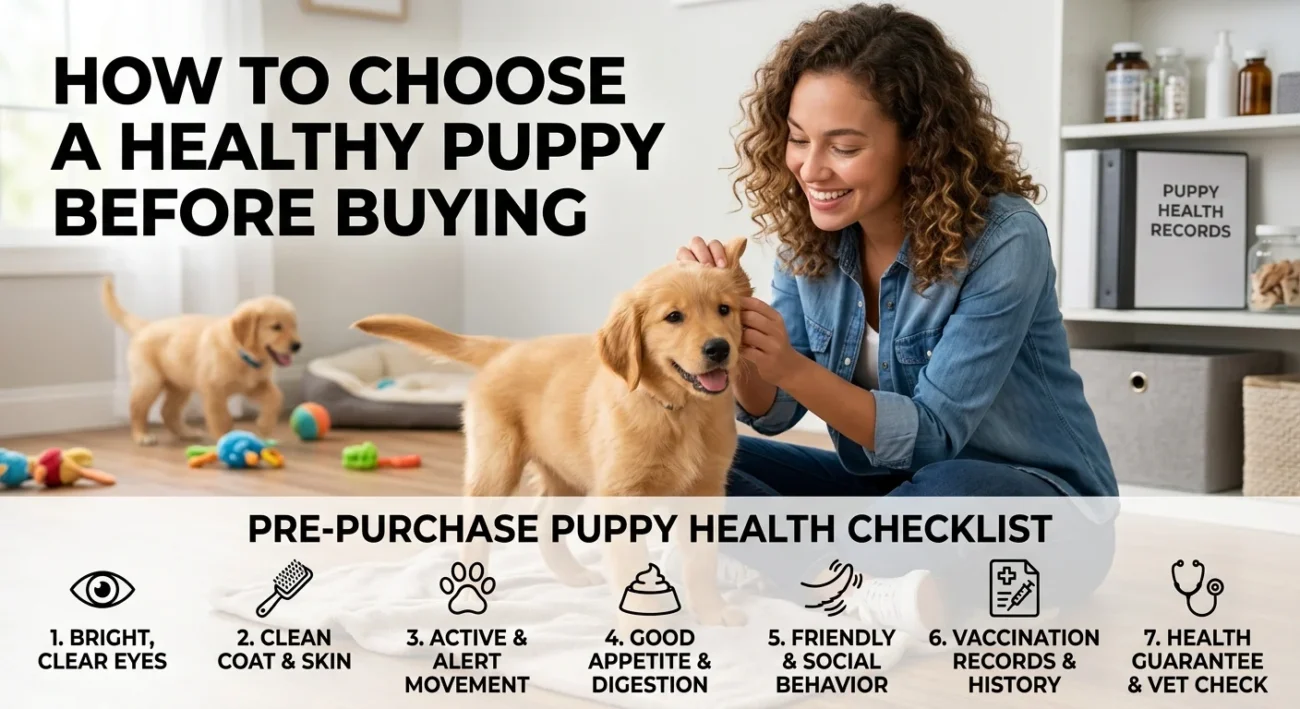
read more about how to choose a healthy puppy
Knowing what to ask before buying a puppy can make the difference between an impulsive purchase and an informed decision.
Do not focus only on the puppy’s appearance. Look at the bigger picture: health, parents, genetics, medical records, vaccinations, food, behavior, socialization, age, living conditions, and daily routine.
The best questions to ask a breeder are designed to help you understand both the puppy you are considering and the environment in which it was raised.
Ask for documentation rather than relying only on verbal assurances. Ask about the parents rather than focusing exclusively on the puppy. Ask about current food and routines so you can make the transition smoother. Ask about behavior and socialization so you understand what experiences the puppy has already had.
Most importantly, pay attention to how the seller responds to your questions.
A responsible breeder should generally be comfortable discussing health, temperament, breeding decisions, socialization, and long-term care. They should also care about whether their puppy is going to an appropriate home.
Use this puppy buying checklist before making a final decision, and take your time. If something does not feel right, you do not have to proceed simply because a puppy is available.
Bringing a dog into your life is a long-term commitment. The goal is not merely to find a puppy you like today, but to choose responsibly and prepare for a healthy, rewarding relationship for years to come.