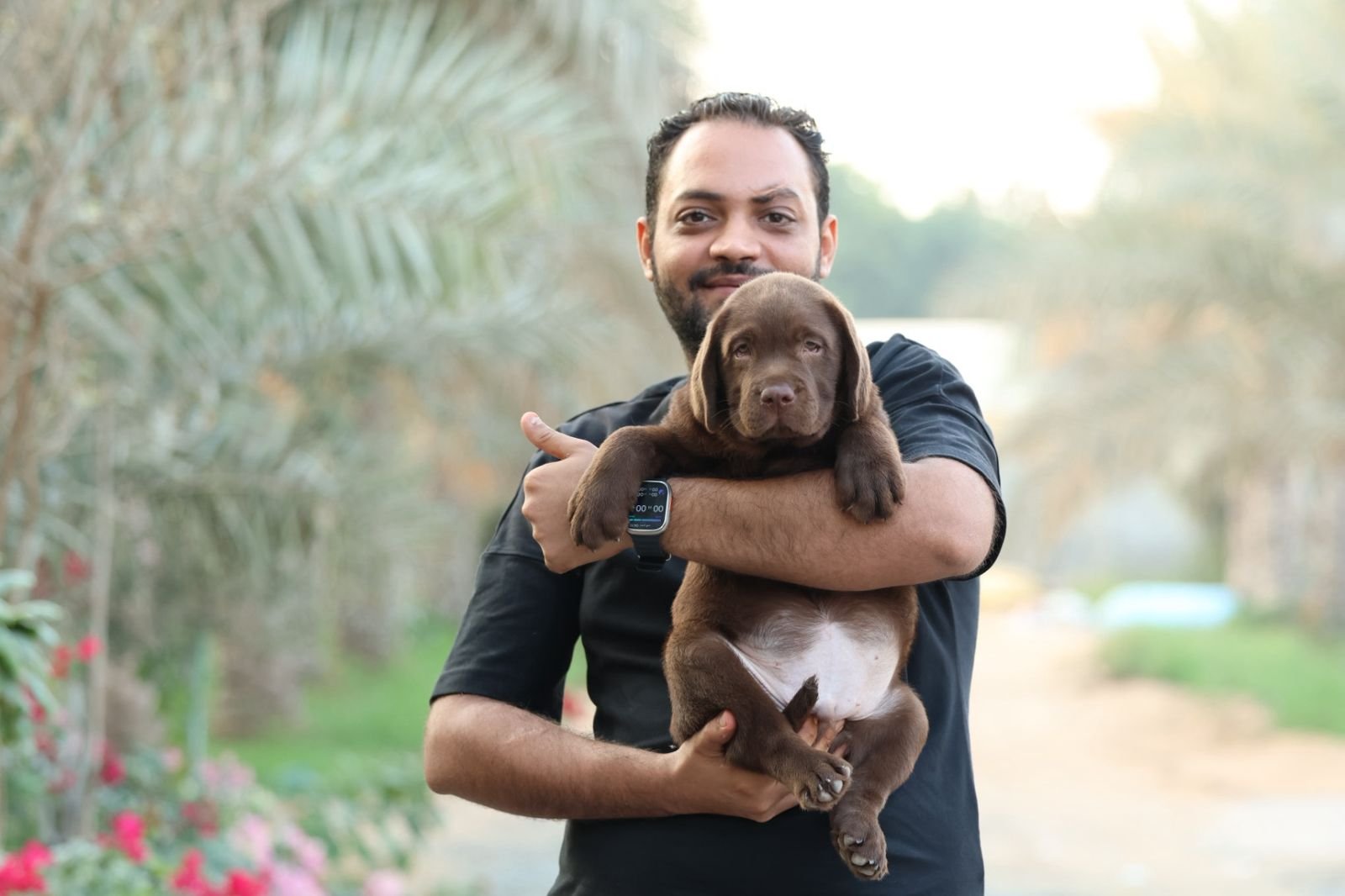
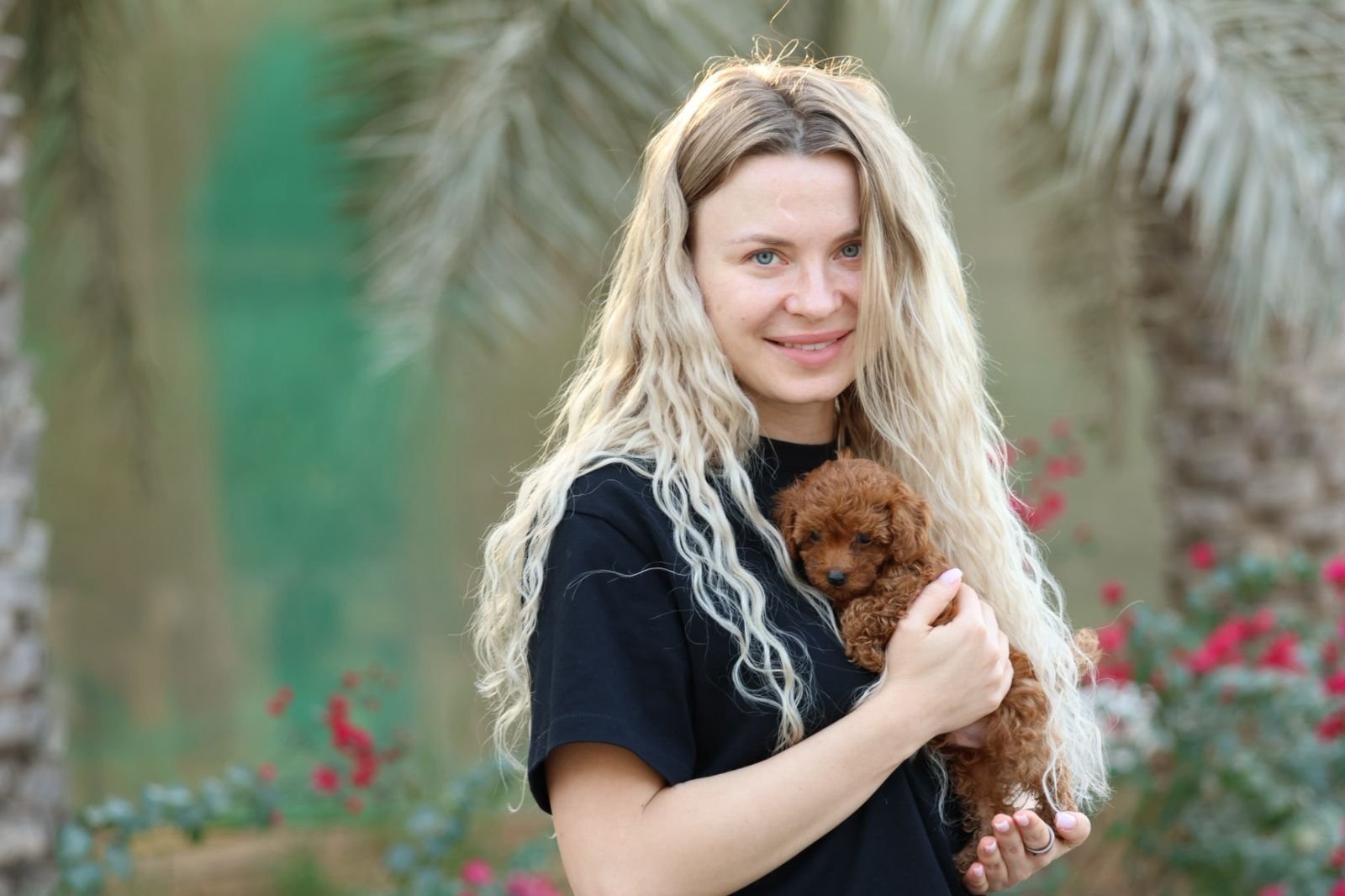
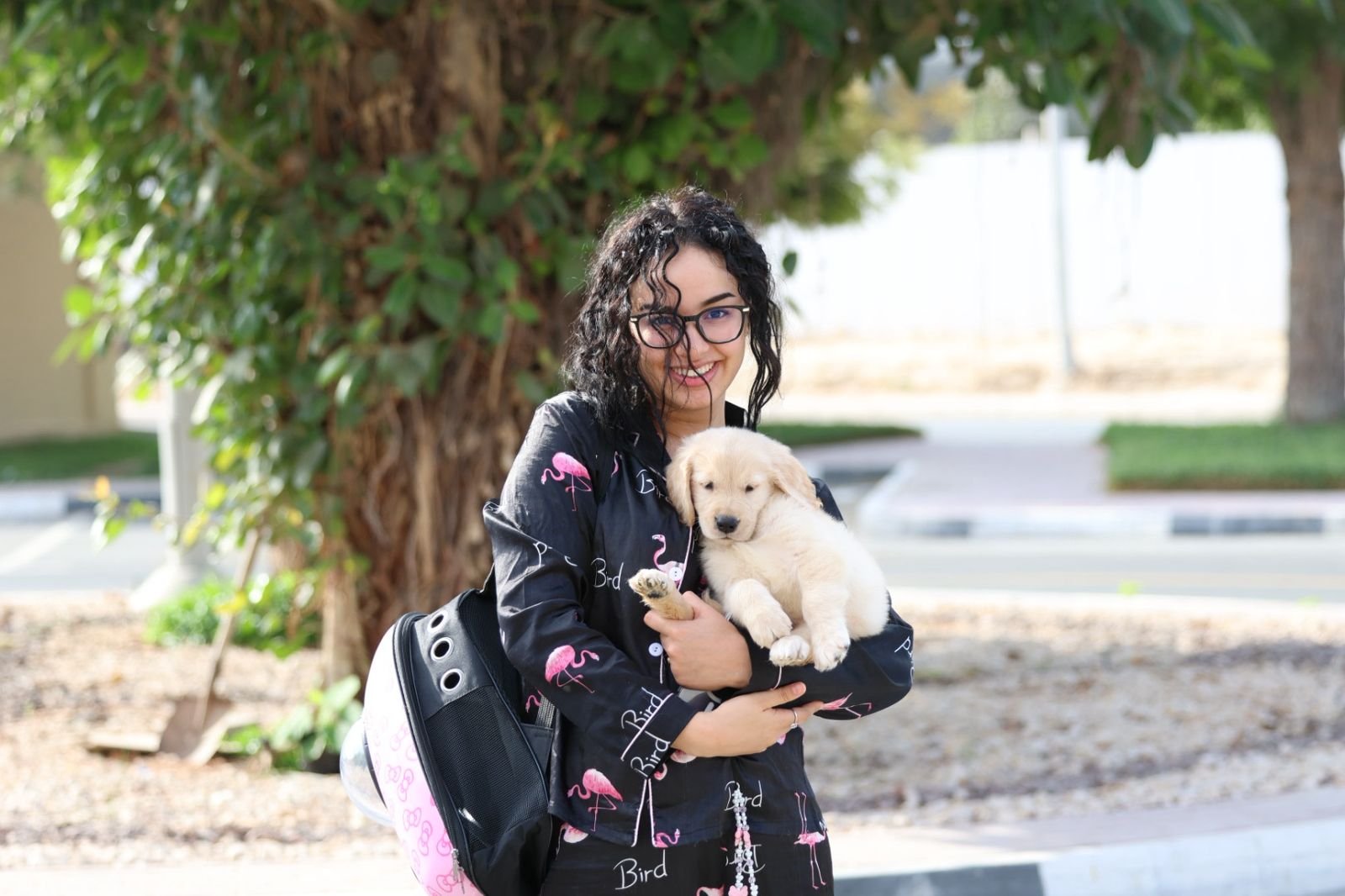
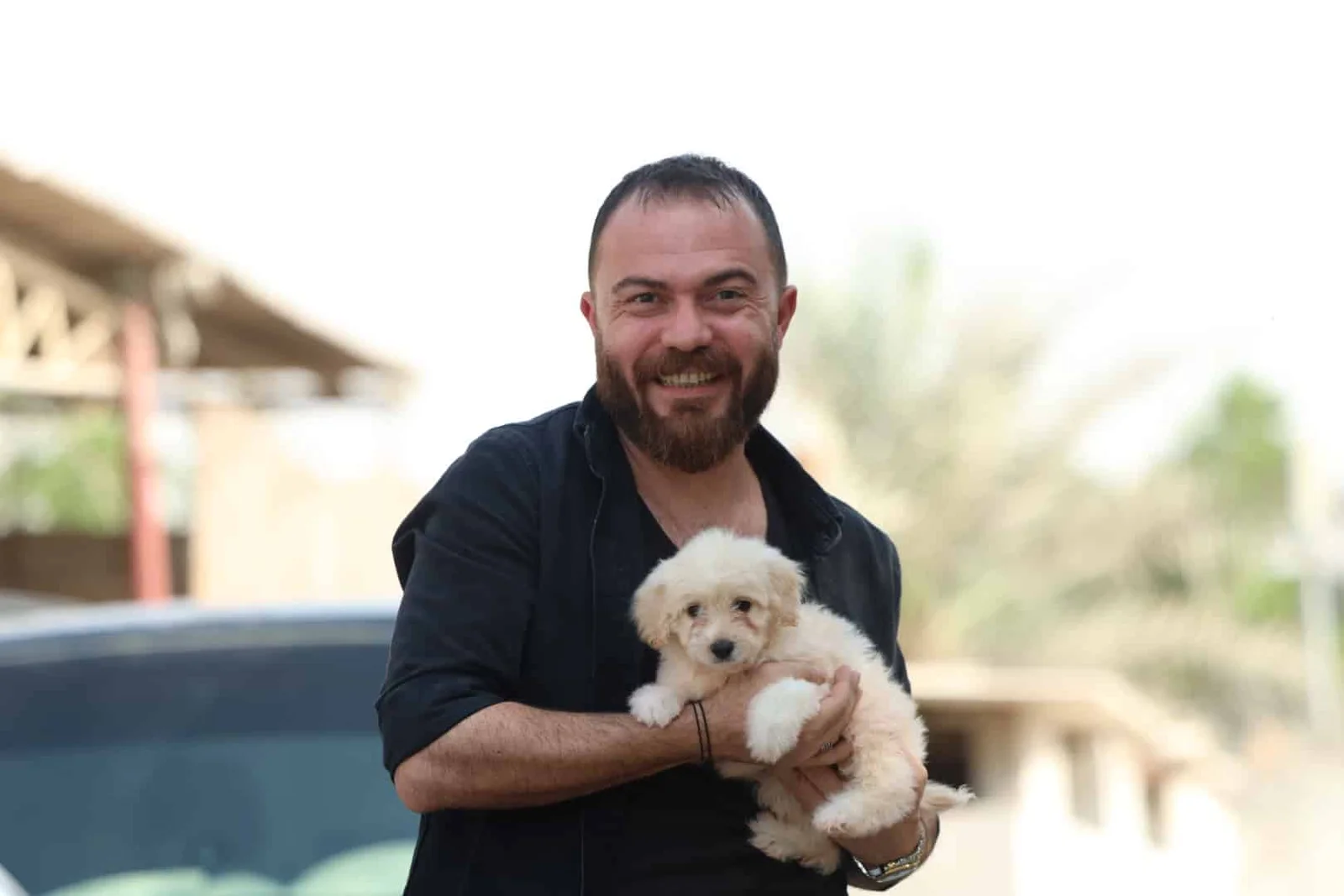
Searching for large dogs for sale can be exciting. Large breeds are often admired for their impressive appearance, loyalty, intelligence, athletic ability, and strong connection with their families. A Golden Retriever running through a garden, a German Shepherd confidently walking beside its owner, or a Labrador happily playing with children can be a wonderful sight.
However, choosing a large dog is very different from choosing a dog based only on appearance. A large dog brings larger responsibilities in almost every part of daily life. Food costs can be higher, veterinary expenses can increase, transportation can be more complicated, and the amount of exercise, training, space, and grooming required can vary considerably from one breed to another.
People searching for big dogs for sale should therefore think beyond the purchase price. The real cost of owning a large dog continues throughout its lifetime.
A large dog needs appropriate nutrition, regular veterinary care, exercise, training, socialization, grooming, mental stimulation, safe housing, and consistent attention. Some large dog breeds are highly energetic and need several forms of daily activity, while others are calmer but still require regular walks and companionship.
The right large dog is not necessarily the biggest, strongest, or most impressive-looking breed. It is the breed whose temperament, exercise needs, size, grooming requirements, and lifestyle fit your household.
This guide explains how to evaluate large dogs for sale, what responsibilities come with owning a large breed, and how popular breeds such as Golden Retrievers, Labradors, German Shepherds, Rottweilers, Huskies, and other big dog breeds compare.
read more about puppies for sale
Understanding Large Dog Breeds
What Makes a Dog a Large Breed?
There is no single worldwide definition that separates large dogs from medium-sized dogs. Generally, large breeds are recognized by their adult weight, height, body structure, and overall physical strength.
Some large dogs may weigh around 25 to 30 kilograms, while giant breeds can exceed 50 or even 60 kilograms. This means that the category includes dogs with very different lifestyles.
A large breed can be athletic, gentle, protective, independent, energetic, calm, highly social, or reserved.
This variety is why prospective owners should never assume that all large dogs behave similarly.
Large Puppies Are Not Small Dogs Forever
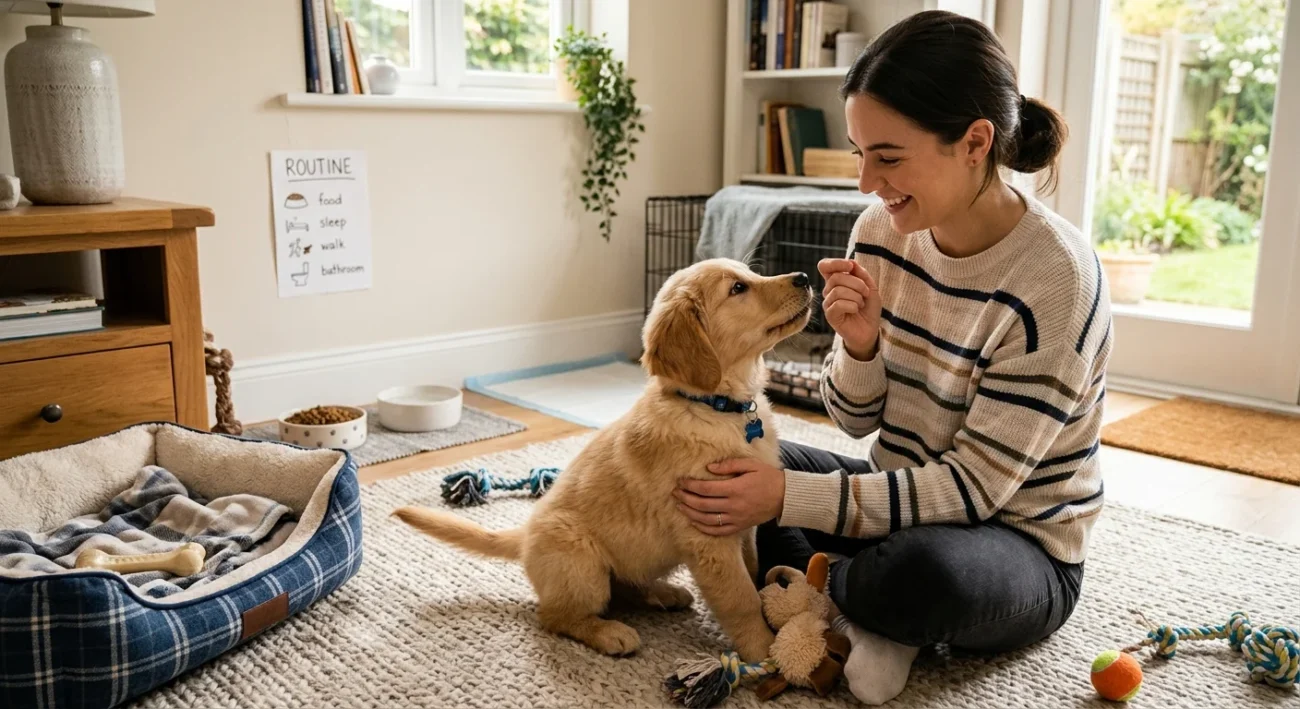
One of the most important considerations when looking at large puppies is remembering how quickly they can grow.
A puppy that seems small and manageable at eight or ten weeks may become a powerful adult dog within a relatively short period.
Early habits therefore matter.
Jumping on people, pulling on a leash, chewing furniture, barking excessively, or ignoring commands may become much harder to manage once the puppy reaches full size.
Training should begin early, using consistent and humane methods.
Why People Choose Large Dogs
Companionship and Family Life
Many people are attracted to large breeds because of their strong personalities and close relationships with their families.
Golden Retrievers and Labradors, for example, are widely appreciated as friendly companion dogs. German Shepherds are often valued for their intelligence and trainability. Rottweilers can be devoted and confident when properly socialized and trained.
The appeal of a large dog often goes beyond physical appearance.
Protection and Security
Some owners are interested in large dogs because of their imposing presence.
Certain breeds have traditionally been developed for guarding, working, herding, or protection.
However, size alone does not make a dog a good protection dog. Responsible ownership requires understanding temperament, genetics, training, and socialization.
A protective breed should never be encouraged to become unnecessarily aggressive.
Outdoor Activities
Large athletic breeds can be excellent companions for active owners.
Huskies, German Shepherds, Labradors, and Golden Retrievers may enjoy activities such as walking, hiking, running, retrieving, swimming, training exercises, and other forms of physical engagement, depending on the individual dog.
If you enjoy an active lifestyle, a large athletic breed may fit naturally into your routine.
Space Requirements for Large Dogs
Does a Large Dog Need a Large House?
A large dog does not automatically require a huge house, but its physical size should be considered carefully.
A well-exercised large dog can often live comfortably in a suitable apartment or smaller home if its physical and mental needs are consistently met.
However, a larger living space can make daily life easier.
A large dog needs enough room to:
- Walk around safely.
- Sleep comfortably.
- Eat and drink without crowding.
- Play appropriately.
- Move between resting areas.
- Avoid constantly bumping into furniture.
- Have a designated personal area.
The dog’s individual energy level matters as much as square footage.
A Yard Is Helpful but Not a Substitute for Exercise
A common misconception is that having a large yard automatically solves the exercise problem.
It does not.
Many dogs will spend most of their time lying around the yard unless their owners actively engage them.
A yard can provide additional opportunities for movement and play, but structured walks, training, games, and mental stimulation are still important.
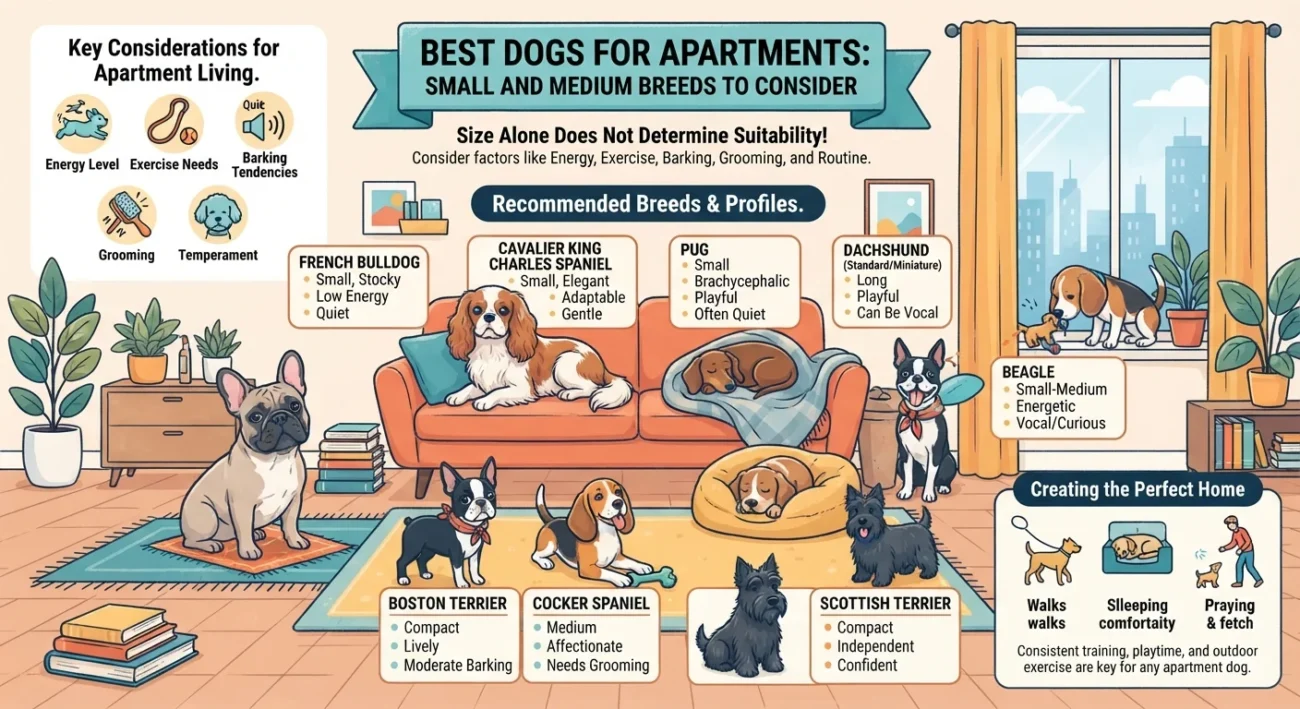
Apartment Living With a Large Dog
Some large breeds can adapt to apartment living better than people expect.
A calm adult dog may be perfectly comfortable in an apartment if its exercise needs are met.
On the other hand, an extremely energetic young dog may become frustrated in a small space.
Before choosing from large dogs for sale, consider the dog’s adult energy level rather than its puppy size.
read more about best dog breeds
Exercise Requirements for Large Dogs
Why Exercise Matters
Exercise supports physical health, mental stimulation, behavior, and quality of life.
A dog that does not receive enough appropriate activity may become bored, restless, destructive, overweight, or difficult to manage.
Large athletic breeds can require substantial daily exercise.
The exact amount depends on:
- Breed
- Age
- Health
- Individual temperament
- Weather
- Training level
- Lifestyle
Walking
Regular walks are one of the simplest ways to provide exercise.
Walking also provides mental stimulation because dogs encounter new smells, sounds, and environments.
For a large dog, leash training is particularly important.
A 30-kilogram dog that calmly walks beside its owner is much easier to manage than a similarly sized dog that constantly pulls.
Mental Exercise
Physical activity is only part of the equation.
Large dogs also need to think.
Mental stimulation can include:
- Obedience training
- Puzzle toys
- Scent games
- Retrieval exercises
- Food-based enrichment
- Learning new commands
- Controlled social activities
- Structured play
Mental exercise can help prevent boredom without requiring endless physical activity.
Feeding a Large Dog
Why Nutrition Is Different
Large dogs have substantial nutritional needs, but feeding more food is not always better.
Large-breed puppies especially need carefully managed nutrition because excessive growth can contribute to skeletal problems.
Owners should choose food appropriate for the dog’s age, size, activity level, and health requirements.
A veterinarian can help determine an appropriate feeding plan.
Large-Breed Puppy Nutrition
Large puppies grow rapidly.
Their diets should support healthy development without encouraging excessively rapid growth.
Owners should avoid making major nutritional decisions based solely on internet advice or advertising claims.
The appropriate diet can vary between individual dogs.
Adult Large Dog Food Costs
Large dogs generally eat more than small dogs.
Over a year, this difference can become significant.
When calculating the cost of owning a large dog, include regular food expenses rather than focusing only on the initial purchase price.
Avoid Overfeeding
Weight management is extremely important.
A large dog carrying excessive weight places additional stress on its joints and body.
Owners should monitor body condition rather than simply filling the bowl according to habit.
Treats should also be included in the overall diet.
Training Large Dogs
Why Early Training Is Essential
Training is important for every dog, but it becomes particularly important as the dog grows.
A puppy that jumps on visitors may be cute at a young age.
A full-grown large dog doing the same thing can knock someone over.
Basic training should therefore begin early.
Essential Commands
A large dog should ideally learn commands such as:
- Sit
- Stay
- Come
- Down
- Leave it
- Drop it
- Wait
- Heel or loose-leash walking
These commands can make everyday life safer and easier.
Leash Training
Leash training is especially important for large breeds.
Owners should teach puppies not to pull rather than waiting until they become physically strong.
Positive reinforcement can make training more effective and create a cooperative relationship between the dog and owner.
Socialization
Socialization means helping a dog become comfortable with different people, environments, sounds, situations, and appropriately selected animals.
Proper socialization can help reduce fear and uncertainty.
It does not mean forcing a dog into overwhelming situations.
The process should be gradual and appropriate for the dog’s age and temperament.
Grooming Responsibilities
Short-Haired Large Breeds
Some large dogs have relatively simple coats.
Rottweilers, for example, generally have shorter coats that can be easier to maintain than the thick double coat of a Husky.
However, short hair does not mean no grooming.
Regular brushing can help remove loose hair and keep the coat healthy.
Golden Retrievers and Labradors
Golden Retrievers have longer, feathered coats and generally require more brushing than short-coated breeds.
Labradors have shorter coats but can shed heavily.
Regular brushing can help manage loose hair and keep the coat in good condition.
Huskies
Huskies have thick double coats and can shed significantly, especially during seasonal coat changes.
Owners should be prepared for regular grooming and substantial amounts of loose fur.
General Grooming
Large dogs may need:
- Brushing
- Nail trimming
- Ear care
- Dental care
- Bathing when appropriate
- Coat inspection
- Regular veterinary checks
The grooming routine should be based on the individual breed and dog.
Golden Retriever as a Large Dog Choice
Golden Retriever Temperament
Golden Retrievers are among the most recognizable family-oriented large breeds.
They are often associated with friendly, affectionate, intelligent, and social personalities.
They can be wonderful companions for families when properly trained, exercised, and cared for.
However, prospective owners should not assume that every Golden Retriever will have exactly the same personality.
Individual temperament varies.
Golden Retriever Exercise
Golden Retrievers generally benefit from regular physical activity.
They often enjoy retrieving games, walks, swimming, and interactive play.
An owner considering this breed should be prepared for more than simply letting the dog into a yard.
Golden Retriever Grooming
Their beautiful coat requires regular maintenance.
Brushing can help manage shedding and prevent some tangling.
Owners should also keep an eye on ears, nails, teeth, and overall skin condition.
Golden Retriever Best For
A Golden Retriever may be a strong choice for owners who want:
- A social companion
- A family-oriented dog
- An active walking partner
- A trainable breed
- A dog that enjoys interactive activities
Labrador Retriever as a Large Dog Choice
Labrador Temperament
Labradors are popular because of their generally friendly, energetic, and adaptable personalities.
They are often enthusiastic about people, food, play, and outdoor activities.
That enthusiasm can be wonderful, but it also means that Labradors require appropriate training.
Labrador Exercise Needs
A Labrador can be energetic, particularly when young.
Daily walks, retrieval games, training, and interactive activities can help meet its needs.
Without sufficient stimulation, a young Labrador may become bored and destructive.
Labrador Feeding
Labradors can be highly food-motivated.
This makes training easier in some cases but also means owners need to manage treats and portions carefully.
Weight management should be part of the dog’s long-term care.
Labrador Best For
Labradors may suit:
- Active families
- Owners who enjoy outdoor activities
- People interested in training
- Families looking for a social companion
- Owners prepared to provide regular exercise
read more about best puppies for families
German Shepherd as a Large Dog Choice
German Shepherd Temperament
German Shepherds are intelligent, athletic, and highly trainable.
They are often used in working roles because of their ability to learn tasks and respond to structured training.
That intelligence also means they require mental stimulation.
German Shepherd Training
Training should be a major part of ownership.
A German Shepherd benefits from clear boundaries, consistent expectations, socialization, and positive reinforcement.
Owners should understand that a powerful, intelligent dog needs an active management approach.
German Shepherd Exercise
Regular physical and mental activity is important.
Walking alone may not be enough for every German Shepherd.
Training exercises, structured games, scent work, and other mentally engaging activities can provide additional stimulation.
German Shepherd Best For
This breed may suit experienced or highly committed owners who want:
- A trainable dog
- An active companion
- A working-type breed
- A dog capable of learning advanced behaviors
- A loyal household companion
Rottweiler as a Large Dog Choice
Rottweiler Temperament
Rottweilers are powerful dogs that can be devoted and confident when responsibly bred, socialized, trained, and managed.
Because of their strength, responsible ownership is particularly important.
Owners should understand local regulations and make sure the dog is properly trained and controlled.
Rottweiler Training
Early obedience and socialization are essential.
Owners should establish reliable behaviors before the dog reaches full strength.
Training should focus on calmness, responsiveness, impulse control, and appropriate behavior around people and animals.
Rottweiler Exercise
Rottweilers need regular activity but individual energy levels vary.
Walks, obedience exercises, structured games, and appropriate physical activities can provide stimulation.
Rottweiler Best For
Rottweilers may be suitable for experienced owners who understand the responsibilities associated with powerful breeds and are prepared to provide consistent training and management.
Siberian Husky as a Large Dog Choice
Husky Personality
Huskies are known for their athletic ability, independence, energy, striking appearance, and distinctive vocal behavior.
Their appearance often attracts people searching for big dog breeds, but their lifestyle requirements should be considered carefully.
Husky Exercise Needs
Huskies are generally energetic dogs.
They can require substantial physical activity and mental stimulation.
An owner who wants a low-energy dog should carefully reconsider whether a Husky fits their lifestyle.
Husky Escape Behavior
Huskies can be highly curious and determined.
Secure fencing and responsible supervision are important.
A prospective owner should not assume that a normal yard is automatically secure enough for an energetic, intelligent dog.
Husky Grooming
Their thick double coat requires regular grooming, particularly during periods of heavy shedding.
Owners should be prepared for significant coat maintenance.
Other Large Dog Breeds to Consider
Standard Poodle
Standard Poodles are athletic, intelligent, and highly trainable.
Their coat requires regular professional or owner-maintained grooming, but they can be excellent companions for active families.
Their intelligence means they benefit from mental stimulation as well as exercise.
Doberman Pinscher
Dobermans are athletic, intelligent, and energetic.
They generally require responsible training, socialization, exercise, and close interaction with their owners.
They can be excellent companions for experienced owners who understand their needs.
Great Dane
Great Danes are among the most recognizable giant breeds.
Despite their enormous size, many are known for relatively calm personalities.
However, their size creates special considerations involving food, housing, transportation, veterinary care, and furniture.
Bernese Mountain Dog
Bernese Mountain Dogs are large, striking dogs associated with affectionate companionship and a thick coat.
Their size and coat mean owners must be prepared for grooming, exercise, and appropriate environmental conditions.
Newfoundland
Newfoundlands are exceptionally large dogs that can be gentle and devoted companions.
Their size and thick coat create significant care requirements.
They also require owners who can accommodate their physical needs.
Large Dogs for Sale: How to Evaluate a Seller
Do Not Focus Only on Price
When searching for large dogs for sale, the cheapest puppy is not necessarily the best choice.
A responsible purchase begins with evaluating the dog’s health, background, temperament, living conditions, and breeder or seller practices.
The initial price is only one part of ownership.
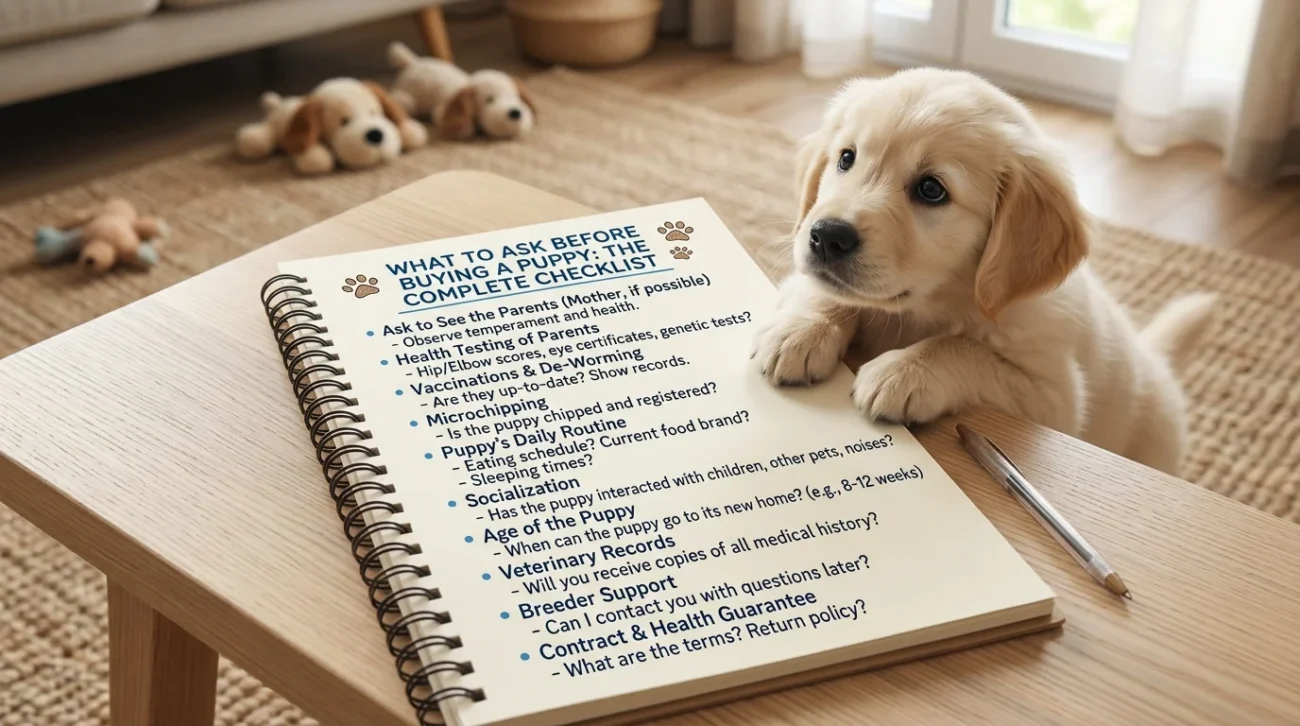
Ask About Health Records
Potential owners should ask for appropriate health and veterinary information.
Depending on the breed, relevant screening can vary.
A responsible seller should be willing to discuss the puppy’s health history and provide appropriate documentation.
Observe the Living Environment
If possible, observe where the puppies are raised.
The environment should appear clean, safe, and appropriately maintained.
Puppies should not appear excessively fearful, lethargic, or visibly unhealthy.
Meet the Parents When Possible
Meeting the parents can provide useful information about temperament and physical characteristics.
It is not a guarantee of how a puppy will develop, but it can help prospective owners understand the background.
Ask Questions
A responsible seller should be willing to answer questions about:
- Puppy age
- Vaccination status
- Veterinary care
- Feeding
- Parents
- Temperament
- Socialization
- Breed characteristics
- Return policies
- Health history
Buyers should also feel comfortable asking for time to make a decision.
Red Flags When Buying Large Puppies
Extremely Low Prices
An unusually low price can sometimes indicate inadequate care, poor breeding practices, health concerns, or an attempt to make a quick sale.
Price alone does not prove anything, but it should encourage additional questions.
Pressure to Buy Immediately
Be cautious if a seller pressures you to make a fast decision without allowing reasonable questions or inspection.
A large dog may live with your family for many years.
This should not be an impulsive purchase.
Lack of Information
A seller who cannot provide basic information about the puppy’s history, care, or health deserves careful consideration.
Poor Conditions
Dirty, overcrowded, unsafe, or neglected environments are serious warning signs.
The welfare of the animals should come before the sale.
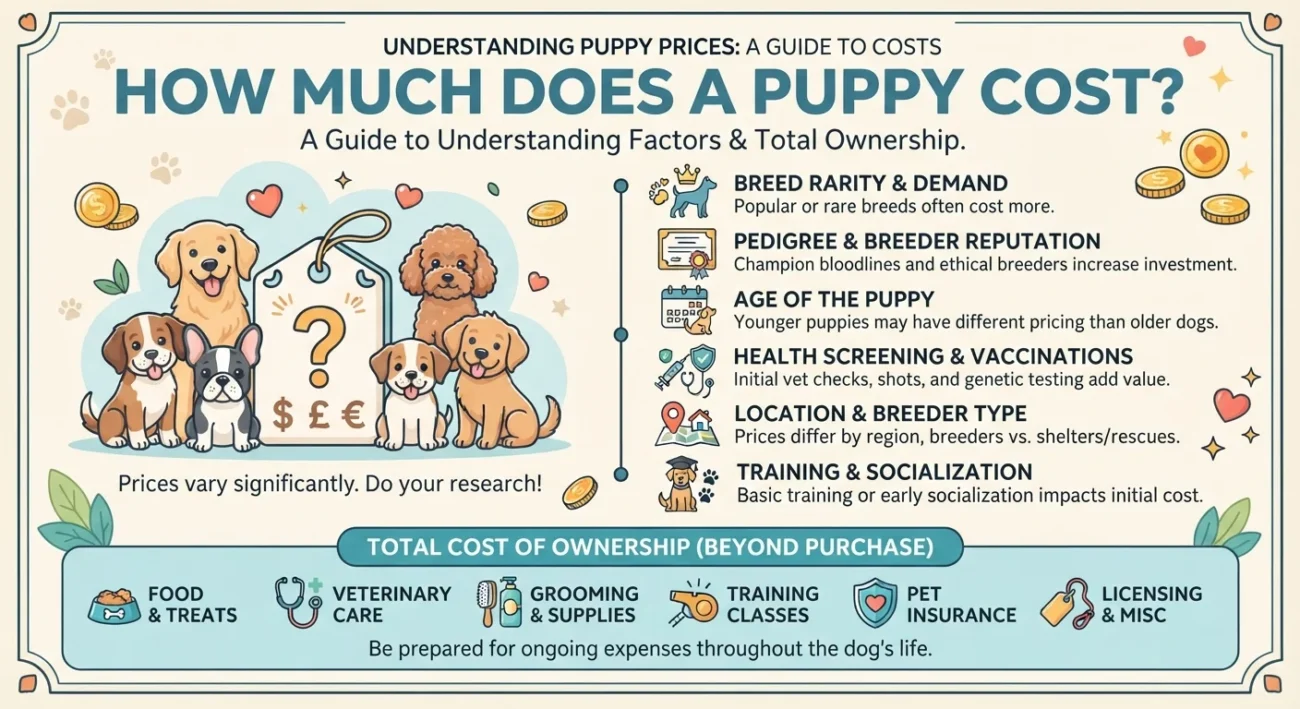
The True Cost of Owning a Large Dog
Initial Purchase Cost
The purchase price can vary substantially depending on breed, lineage, location, breeder reputation, age, and other factors.
However, this is only the beginning.
Food Costs
Large dogs consume more food than small dogs.
Over several years, food can become one of the most significant routine expenses.
Owners should budget for quality nutrition rather than trying to minimize food costs at the expense of the dog’s health.
Veterinary Expenses
Routine veterinary care can include:
- Vaccinations
- Wellness examinations
- Parasite prevention
- Dental care
- Diagnostic testing
- Medications
- Emergency treatment
Large dogs may also have breed-specific health considerations that should be discussed with a veterinarian.
Grooming Costs
Some breeds require relatively little professional grooming.
Others may require regular professional services.
Huskies, Golden Retrievers, Poodles, and heavily coated breeds can require more grooming attention than short-coated breeds.
Training Costs
Professional training can be valuable, particularly for first-time owners or people choosing powerful breeds.
Investing in training early can prevent behavioral problems from becoming more difficult later.
Equipment Costs
Large dogs often need appropriately sized:
- Beds
- Crates
- Collars
- Harnesses
- Leashes
- Food bowls
- Travel equipment
- Toys
Buying undersized equipment can be uncomfortable or unsafe.
Long-Term Financial Planning
Why Lifetime Costs Matter
A large dog can remain part of your household for many years.
Before purchasing one, estimate the likely annual expenses.
Think about food, routine healthcare, grooming, training, equipment, transportation, and unexpected veterinary needs.
An emergency fund is particularly valuable.
Unexpected medical treatment can be expensive, and owners should be prepared rather than assuming every year will involve only routine expenses.
Planning for Changes in Your Life
Your current lifestyle may not remain unchanged.
You may move, change jobs, travel more frequently, have children, or experience changes in income.
Before choosing a large dog, ask whether you can still provide appropriate care if your circumstances change.
Large Dogs and Children
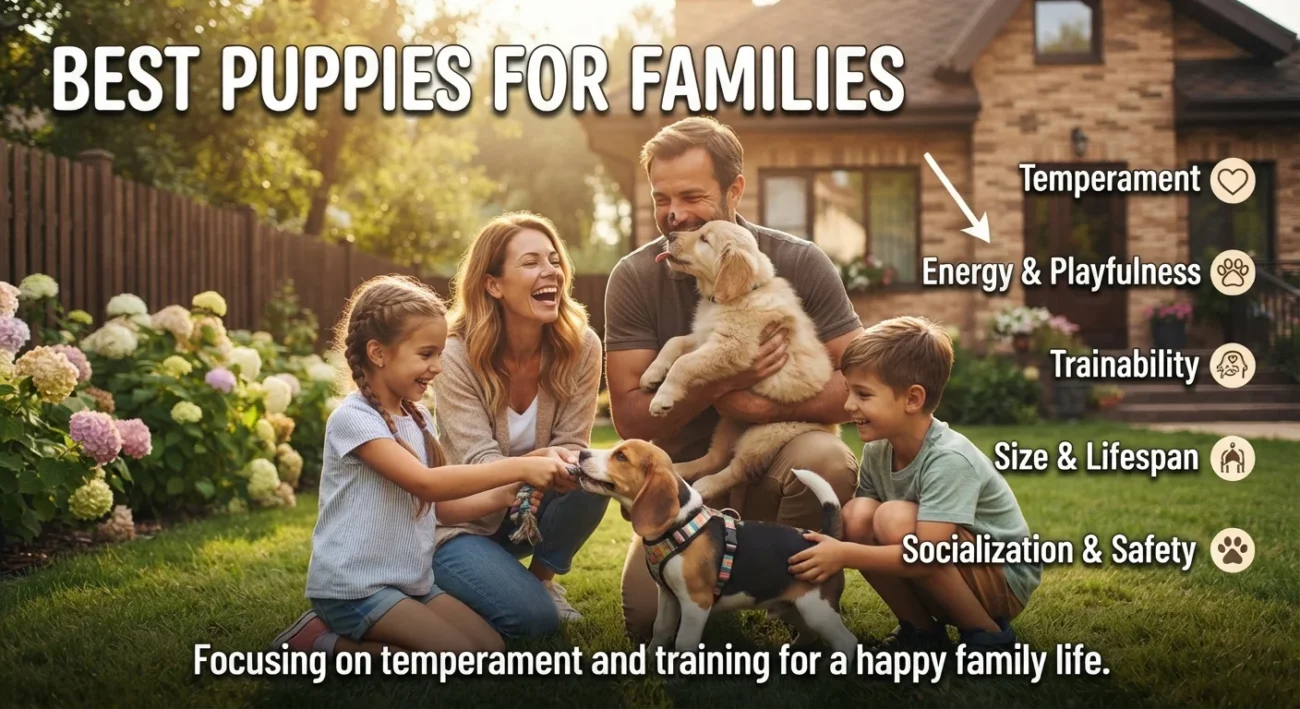
Choosing a Family Dog Carefully
Some large breeds can be wonderful family companions, but no dog should be selected based solely on breed reputation.
Children should be taught how to behave around dogs.
They should not:
- Pull ears or tails.
- Disturb a sleeping dog.
- Take food away.
- Climb on the dog.
- Chase the dog.
- Enter the dog’s resting space without supervision.
Adult Supervision
Young children and dogs should be supervised together.
Even a friendly dog can react unexpectedly if frightened, injured, overwhelmed, or disturbed while eating or sleeping.
Responsible ownership means protecting both the child and the dog.
read more about best dogs for apartments
Large Dogs and Other Pets
Introducing a New Dog
If your household already includes cats or other dogs, introductions should be gradual.
Do not assume that a large breed will automatically accept every other animal.
Temperament and individual history matter.
Supervised Interactions
Early interactions should be controlled and supervised.
Give existing pets safe spaces where they can retreat.
The goal is to create positive associations rather than forcing animals to interact immediately.
Transportation With a Large Dog
Car Travel
Large dogs require thoughtful transportation planning.
The dog should be safely restrained and should have enough space to sit, stand, and adjust position appropriately.
Never allow a large dog to interfere with the driver.
Travel Planning
Before taking your dog on a long journey, consider:
- Water
- Food
- Rest breaks
- Identification
- Veterinary documents
- Appropriate restraints
- Weather conditions
- Destination requirements
Large dogs can make travel more complicated than small dogs, so planning matters.
Weather Considerations for Large Breeds
Heat and Large Dogs
Hot weather can be challenging for dogs, particularly those with thick coats or heavy body structures.
Owners should provide access to shade, water, and appropriate indoor cooling.
Avoid intense exercise during the hottest parts of the day.
Huskies in Warm Climates
Owners of Huskies and other thick-coated breeds should be particularly careful in hot environments.
Their coat should not simply be shaved as a solution to heat. Instead, owners should seek appropriate grooming guidance and prioritize shade, hydration, ventilation, and temperature control.
Cold Weather
Some large breeds tolerate cold conditions better than others.
A dog’s coat, age, health, and environment should determine how much protection it needs.
Choosing Between a Large Puppy and an Adult Dog
Advantages of Large Puppies
A puppy allows you to shape habits from an early age.
You can introduce training, socialization, routines, and household rules from the beginning.
However, puppies require significant time and patience.
Advantages of Adult Large Dogs
An adult dog may already have established behavior and basic training.
Its personality and adult size are also easier to evaluate.
However, adult dogs can come with previous habits or experiences that require patience and professional support.
Which Is Better?
Neither option is automatically better.
Choose based on your lifestyle, experience, available time, and ability to meet the dog’s needs.
Questions to Ask Yourself Before Buying
Can I Handle the Size?
Imagine the dog at full adult size rather than as a cute puppy.
Can you safely walk it?
Can you transport it?
Can you manage it if it becomes frightened or excited?
Can I Afford It?
Calculate food, veterinary care, grooming, training, equipment, and emergency expenses.
Can I Provide Enough Exercise?
Consider your actual daily schedule rather than your ideal schedule.
If you regularly work long hours and have little free time, an extremely energetic large breed may not be appropriate.
Can I Commit for the Long Term?
A dog is not a temporary purchase.
It becomes a member of the household and depends on its owner for care.
Final Guide to Choosing Large Dogs for Sale
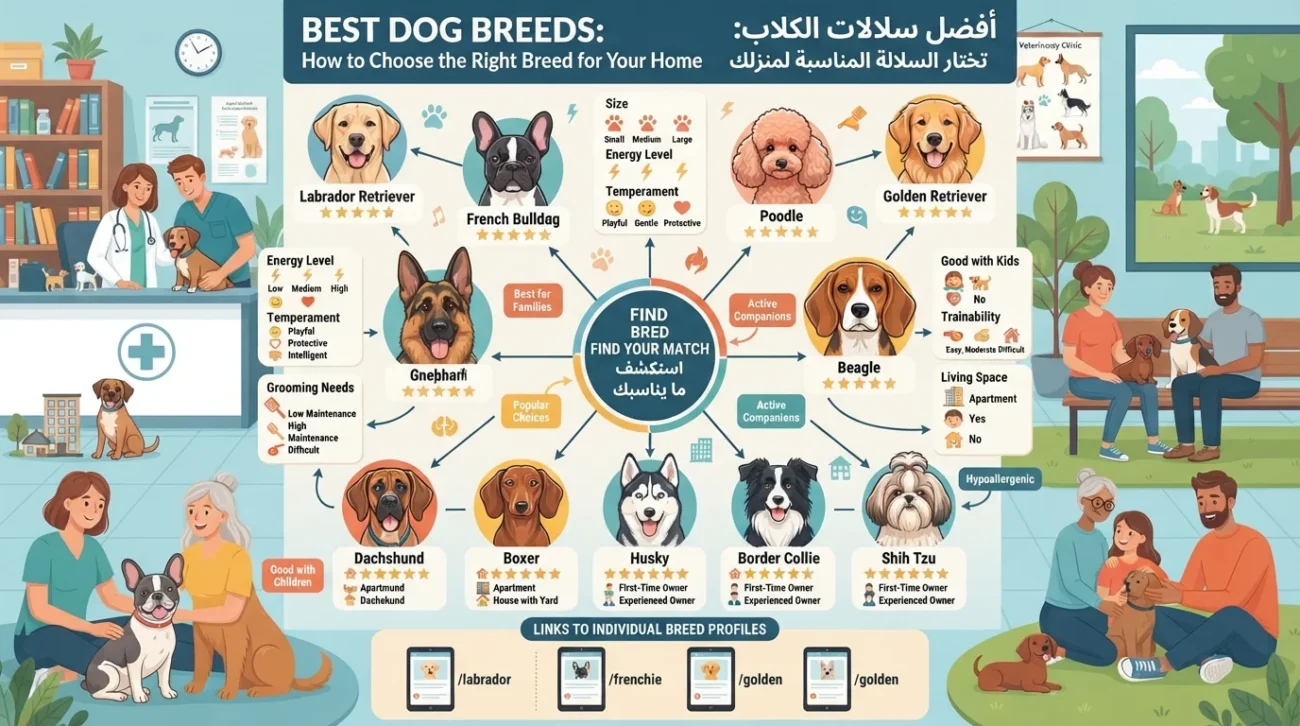
Match the Breed to Your Lifestyle
The best large dog is not necessarily the most popular breed.
A Golden Retriever may be excellent for one household but unsuitable for another.
A Labrador can be an energetic family companion, while a German Shepherd may suit someone interested in structured training and active engagement.
A Rottweiler may appeal to an experienced owner prepared for the responsibilities of a powerful breed.
A Husky may be ideal for an active household that understands its energy and grooming requirements.
A Great Dane may suit someone who wants a giant but potentially calmer companion and can accommodate its size.
The key is matching the dog’s characteristics with your lifestyle.
Think Beyond the Puppy Stage
When browsing large dogs for sale, it is natural to focus on the puppy’s appearance.
Instead, imagine the adult dog.
Think about its adult weight, exercise needs, feeding requirements, coat, temperament, training requirements, and potential healthcare expenses.
Ask yourself whether you will still be happy with this responsibility several years from now.
Responsible Ownership Is the Most Important Choice
Owning a large dog can be an incredibly rewarding experience.
Large breeds can become loyal companions, active partners, family members, and wonderful sources of affection.
But their size means that responsible ownership matters.
They need appropriate space, regular exercise, proper nutrition, consistent training, grooming, veterinary care, socialization, and financial preparation.
Anyone searching for big dogs for sale should therefore approach the decision as a long-term commitment rather than an impulse purchase.
read more about small dogs for sale
Finding the Right Large Dog
Choosing among large dogs for sale requires more than comparing appearances or prices. Every large dog breed brings its own combination of temperament, exercise needs, grooming requirements, nutritional demands, training expectations, and potential costs.
Golden Retrievers and Labradors can be excellent choices for families and active owners who want social, trainable companions. German Shepherds can be a strong option for owners who appreciate intelligence, structure, and working ability. Rottweilers can be devoted companions for experienced owners prepared to manage a powerful breed responsibly. Huskies can be fascinating choices for highly active owners who understand their energy, independence, and grooming requirements.
Other large dog breeds, including Standard Poodles, Dobermans, Great Danes, Bernese Mountain Dogs, and Newfoundlands, can also provide wonderful companionship when their specific needs are understood.
The most important rule is simple: choose the dog that fits your lifestyle, not simply the dog that looks most impressive.
Before purchasing a large puppy or adult dog, evaluate your home, schedule, budget, exercise opportunities, experience, and long-term plans. Research the breed carefully, ask responsible sellers detailed questions, review health information, and avoid rushing into a decision.
A large dog can become a deeply loved member of your family for many years. When you prepare properly and choose a breed whose needs match your lifestyle, the responsibilities of owning a large dog become much easier to manage—and the rewards of having a loyal, intelligent, and loving companion can be enormous.