If you are searching for small dogs for sale, choosing the right breed involves much more than finding a puppy with an appealing appearance. Small dogs can differ considerably in temperament, exercise requirements, grooming needs, training styles, health considerations, and suitability for different households. A tiny dog may be easier to carry and may require less physical space than a large dog, but that does not mean every small breed has low-maintenance needs.
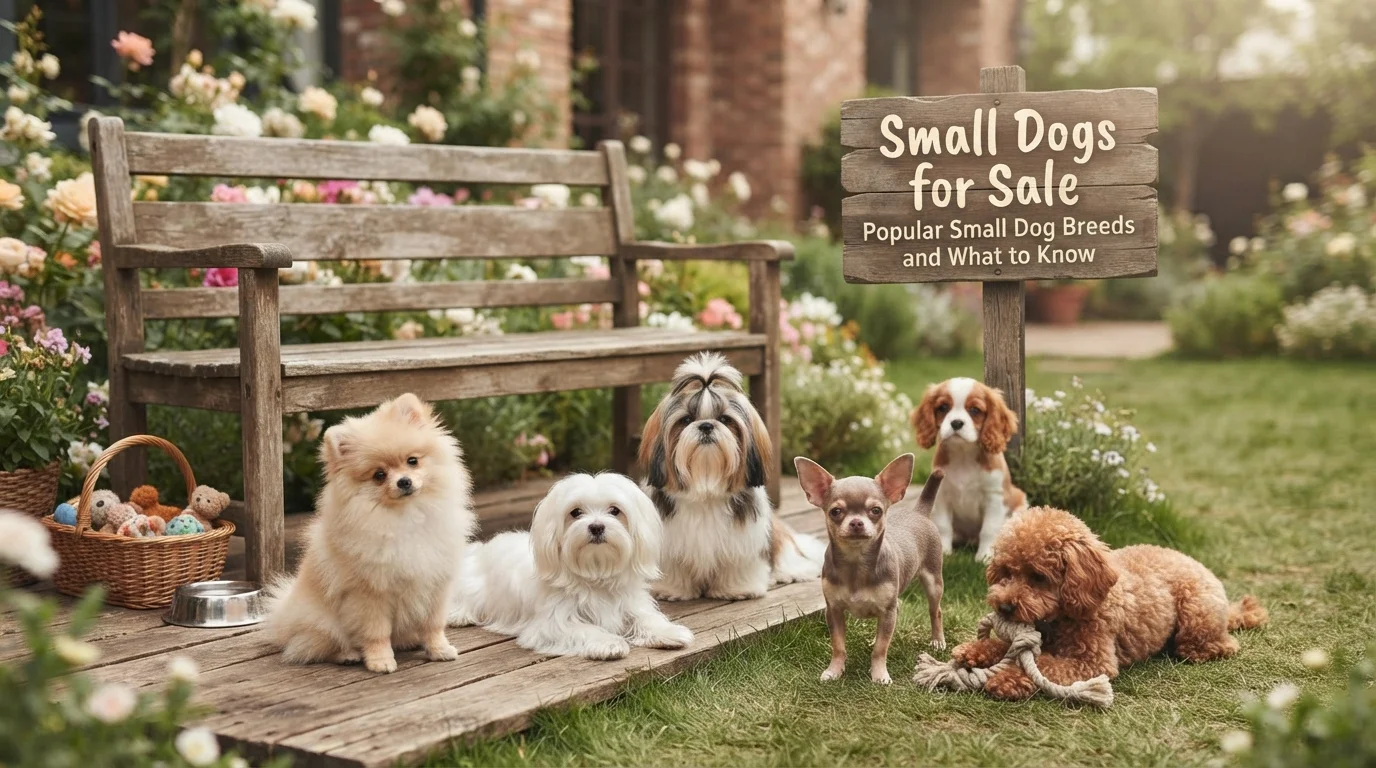
For people considering small puppies for sale, it is important to understand what life with a particular breed is likely to involve before making a decision. Pomeranians, Maltese, Shih Tzus, Chihuahuas, Toy Poodles, Yorkshire Terriers, and similar breeds all have characteristics that may appeal to different owners.
This guide explores popular small dog breeds, their general characteristics, care requirements, and important considerations when choosing a puppy. The purpose is not to identify one breed as universally better than another, but to help prospective owners make a more informed decision based on lifestyle, time, experience, and expectations.
read more about dogs for sale
Why Small Dogs Are Popular
Small Size Can Suit Different Living Arrangements
One reason people consider small dogs is their compact size. A small dog may be easier to accommodate in an apartment or smaller home than a much larger breed. However, physical size should not be confused with overall care requirements.
A small dog still needs daily movement, mental stimulation, training, veterinary care, grooming when appropriate, and social interaction.
Some small breeds are energetic and active, while others may be more relaxed. Some can adapt well to different environments, while others may be more sensitive to noise, unfamiliar people, or changes in routine.
Therefore, the right question is not simply, “How small is the dog?”
A better question is, “Does this breed’s personality and care profile fit my lifestyle?”
Small Dogs Can Have Big Personalities
Many toy and small breeds were developed for companionship, while others have backgrounds involving hunting, alerting, or other forms of work.
As a result, a small physical frame does not necessarily mean a quiet or inactive personality.
Some small dogs may be confident and outgoing. Others may be cautious around unfamiliar people. Some can be highly attentive to sounds and surroundings. Others may enjoy spending much of their time close to their owners.
Understanding breed tendencies can help owners prepare realistic expectations.
Things to Consider Before Looking at Small Dogs for Sale
Think About Your Daily Routine
Before choosing a puppy, consider how much time you can realistically dedicate to a dog.
Ask yourself:
- How many hours will the dog normally spend alone?
- Can I provide daily exercise?
- Can I commit to training?
- Can I afford routine veterinary care?
- Am I prepared for grooming?
- Is everyone in the household comfortable with having a dog?
- Do I have time for socialization?
- Can I manage the responsibilities of puppyhood?
Puppies require significant attention regardless of breed.
A small puppy still needs appropriate feeding, house-training, socialization, supervision, and veterinary attention.
Consider the Dog’s Adult Characteristics
One of the most common mistakes is choosing a puppy based only on how it looks at a young age.
A puppy will grow and develop its adult personality.
Before buying, research the expected adult size, activity level, grooming requirements, and general breed characteristics.
This is especially important when searching for small puppies for sale, because terms such as “tiny,” “mini,” or “teacup” can sometimes be used as marketing language rather than precise descriptions of a recognized breed category.
Understand the Financial Commitment
The purchase price is only one part of the cost of owning a dog.
Owners should budget for:
- Food
- Routine veterinary visits
- Vaccinations as recommended by a veterinarian
- Parasite prevention
- Grooming
- Training
- Identification
- Bedding
- Toys
- Leashes and collars
- Crates or carriers
- Emergency veterinary expenses
The exact cost varies depending on location, breed, individual dog, lifestyle, and veterinary needs.
Pomeranian
General Characteristics
The Pomeranian is one of the best-known toy dog breeds. It is recognized for its small size, abundant coat, alert expression, and lively appearance.
Pomeranians can be active and attentive despite their small stature. They are often described as intelligent and energetic, and many enjoy interacting with their owners.
Their small size can make them attractive to people looking for a compact companion, but prospective owners should not assume that a Pomeranian requires little attention.
Grooming Needs
The Pomeranian’s thick double coat requires regular grooming.
Brushing helps maintain the coat and reduce the accumulation of loose hair and tangles. Owners should establish a consistent grooming routine and learn appropriate coat-care techniques.
Professional grooming may also be useful depending on the owner’s preferences and the dog’s coat condition.
Exercise and Training
Pomeranians are small, but they still benefit from regular activity and mental stimulation.
Training should use consistent, reward-based methods and should begin appropriately during puppyhood.
Because of their intelligence and alertness, structured training can help establish household routines and desirable behaviors.
Things to Consider
A Pomeranian may be attractive to owners who want a small companion with an energetic personality and are prepared to maintain a substantial coat.
Potential buyers should focus on the individual puppy’s health, behavior, upbringing, and breeder practices rather than choosing solely based on coat color or size.
read more about puppies for sale
Maltese
General Characteristics
The Maltese is a small companion breed known for its long, silky coat and distinctive appearance.
Maltese dogs are generally associated with companionship and can form close relationships with their owners.
Their small size makes them appealing to people looking for a compact household dog, but their coat requires regular attention.
Grooming Requirements
The Maltese coat can become tangled or matted without appropriate care.
Owners should be prepared for regular brushing and routine grooming. Some families choose to keep the coat trimmed to make everyday maintenance more manageable.
Regular attention to the coat is an important part of responsible Maltese ownership.
Activity and Interaction
Maltese dogs may enjoy walks, play, and interaction with their owners.
Like other small dogs, they should not be judged solely by their size when determining their activity needs.
Training and socialization are also important for helping a puppy become comfortable with different people, environments, sounds, and experiences.
Who May Consider a Maltese?
A Maltese may appeal to someone who wants a small companion and is comfortable maintaining a long coat or paying for professional grooming.
Prospective owners should also consider how much companionship the dog will receive during the day.
Shih Tzu
General Characteristics
The Shih Tzu is a small companion breed known for its long coat, compact body, and distinctive facial features.
The breed has a long history as a companion dog and is commonly associated with household companionship.
Individual Shih Tzus can differ in personality, so prospective owners should evaluate the individual puppy as well as the general breed characteristics.
Grooming Needs
The Shih Tzu coat requires regular grooming.
Without proper maintenance, long hair can become tangled and difficult to manage. Owners should establish a consistent brushing and grooming schedule.
Keeping the facial area clean and monitoring general hygiene are also important aspects of care.
Exercise Requirements
Shih Tzus generally do not require the same type of physical activity as larger working breeds, but they still benefit from regular movement and play.
Short walks and indoor activities can provide opportunities for exercise and mental engagement.
Health Considerations
Shih Tzus have facial and physical characteristics that prospective owners should discuss with a veterinarian.
Responsible buyers should ask breeders about health screening practices and the health history of the parents.
The goal is not to assume that every individual dog will experience a particular problem, but to understand the breed’s characteristics and make an informed decision.
Chihuahua
General Characteristics
The Chihuahua is one of the smallest recognized dog breeds and comes in different coat types, including smooth and long coats.
Chihuahuas can have confident, alert, and lively personalities. Their small bodies can make them easy to transport, but they still require proper handling and training.
Their personality should not be assumed simply because they are small.
Training and Socialization
Early socialization can be particularly useful for helping a Chihuahua become accustomed to different people, environments, and everyday situations.
Consistent training can also help establish appropriate household behavior.
Owners should avoid treating a small dog as though it does not need boundaries or training simply because it is tiny.
Exercise and Safety
Chihuahuas can benefit from daily movement and play.
Because of their small size, owners should take care around larger animals, high furniture, stairs, and other situations where accidental injury could occur.
Supervision is particularly important in households with young children or larger pets.
Who May Consider a Chihuahua?
A Chihuahua can appeal to someone looking for a very small companion with a distinctive personality.
However, potential owners should be comfortable with the breed’s need for appropriate socialization, training, supervision, and veterinary care.
Toy Poodle
General Characteristics
The Toy Poodle is a small variety of Poodle known for its curly coat and intelligent, active nature.
Toy Poodles are often appealing to owners who want a small dog while also looking for a breed that can participate in training and mentally stimulating activities.
Their small size does not eliminate their need for engagement.
Training and Mental Stimulation
Toy Poodles can benefit from learning new behaviors and participating in mentally stimulating activities.
Training sessions can be short and consistent, with rewards used appropriately.
Puzzle toys, basic obedience exercises, and interactive games can provide mental engagement when suited to the individual dog.
Grooming
The Toy Poodle’s curly coat requires regular maintenance.
Owners should plan for brushing and professional grooming or learn suitable grooming techniques.
Coat care should be considered before purchasing a puppy because grooming becomes a long-term responsibility.
Who May Consider a Toy Poodle?
Toy Poodles may be suitable for owners who want a small dog and are willing to invest time in training, grooming, and daily interaction.
They can be especially appealing to people who enjoy teaching dogs new behaviors and providing mental stimulation.
Yorkshire Terrier
General Characteristics
The Yorkshire Terrier, often called a Yorkie, is a small breed known for its long, fine coat and lively personality.
Despite its compact size, the breed has a terrier background, which is important when considering its general behavior and activity needs.
Yorkies can be affectionate companions while also being alert and active.
Coat Care
The long coat requires regular grooming.
Owners who prefer a shorter hairstyle may choose regular trimming, while others may maintain a longer coat.
Either way, grooming should be part of the household routine.
Training
Yorkshire Terriers can benefit from early training and socialization.
Basic commands, house-training, leash manners, and appropriate interactions should be introduced consistently.
Because individual dogs vary, owners should focus on the puppy’s behavior and response to training rather than relying entirely on breed stereotypes.
Miniature Schnauzer
General Characteristics
The Miniature Schnauzer is a small breed with a distinctive beard, eyebrows, and wiry coat.
It is generally more substantial in size than many toy breeds while still being considered a small dog by many owners.
The breed can be alert and active and may enjoy participating in family activities.
Exercise and Mental Engagement
Miniature Schnauzers generally benefit from regular exercise and opportunities for mental stimulation.
Walks, training sessions, games, and interactive activities can help keep an individual dog engaged.
A prospective owner should consider whether their lifestyle provides enough activity for the breed.
Grooming
The coat requires routine maintenance.
Owners may choose professional grooming depending on their preferred coat style and their ability to manage grooming at home.
Cavalier King Charles Spaniel
General Characteristics
The Cavalier King Charles Spaniel is a small companion spaniel known for its expressive face and feathered coat.
It can be an appealing choice for people looking for a small dog with a companion-oriented background.
As with any breed, individual temperament varies.
Care Requirements
The coat requires regular brushing, and routine veterinary care is important.
Prospective owners should research breed-specific health considerations carefully and ask responsible breeders about health testing and the health history of breeding dogs.
This is particularly important when purchasing a puppy because responsible breeding practices are an important part of reducing avoidable health risks.
read more about best dog breeds
Papillon
General Characteristics
The Papillon is a small companion breed recognized for its distinctive butterfly-like ears.
Despite its small body, it can be active and interested in learning.
The breed may appeal to owners who want a compact dog that can participate in training and interactive activities.
Training and Exercise
Papillons can benefit from mental stimulation and regular physical activity appropriate for their size and age.
Training can include basic obedience, tricks, and other suitable activities.
Their small size should not lead owners to underestimate their need for engagement.
Dachshund
General Characteristics
The Dachshund is available in different sizes and coat varieties, including miniature varieties.
Its long body and short legs give it a distinctive appearance.
Dachshunds were developed for hunting, and their historical function is relevant when considering their behavior and exercise needs.
Handling and Safety
Because of their long backs, owners should pay attention to safe handling and household arrangements.
Jumping from high furniture and repeated use of stairs may be concerns worth discussing with a veterinarian.
Prospective owners should learn appropriate ways to handle and care for the breed rather than focusing only on its appearance.
French Bulldog
General Characteristics
The French Bulldog is a compact breed with a muscular build and distinctive short muzzle.
Although often included in discussions of small or compact dogs, it should not automatically be considered a low-maintenance breed.
Its physical structure means prospective owners should carefully research breed-specific care and health considerations.
Environmental Considerations
Owners should be attentive to the dog’s comfort in warm or physically demanding conditions.
A veterinarian can provide appropriate guidance about exercise, temperature management, and the dog’s individual health.
Anyone considering this breed should understand its potential care requirements before purchasing a puppy.
Choosing Between Toy Dog Breeds
Consider Activity Level
Different small dogs can have very different energy levels.
A person who enjoys daily walks and training may prefer an active small breed, while someone seeking a quieter companion may have different priorities.
However, every dog still needs appropriate physical activity and mental engagement.
Consider Grooming
Coat type can have a major effect on ownership responsibilities.
A short-coated Chihuahua may have very different grooming requirements from a long-coated Maltese or a curly-coated Toy Poodle.
Before choosing a breed, consider how much time and money you are prepared to spend on grooming.
Consider Training Needs
All dogs can benefit from training.
However, some breeds may be particularly interested in learning and participating in activities, while others may require owners to use different motivational approaches.
Consistency, patience, and appropriate rewards are important regardless of breed.
What to Look for When Buying Small Puppies for Sale
Choose a Responsible Source
When looking for small dogs for sale, prospective owners should investigate the seller or breeder carefully.
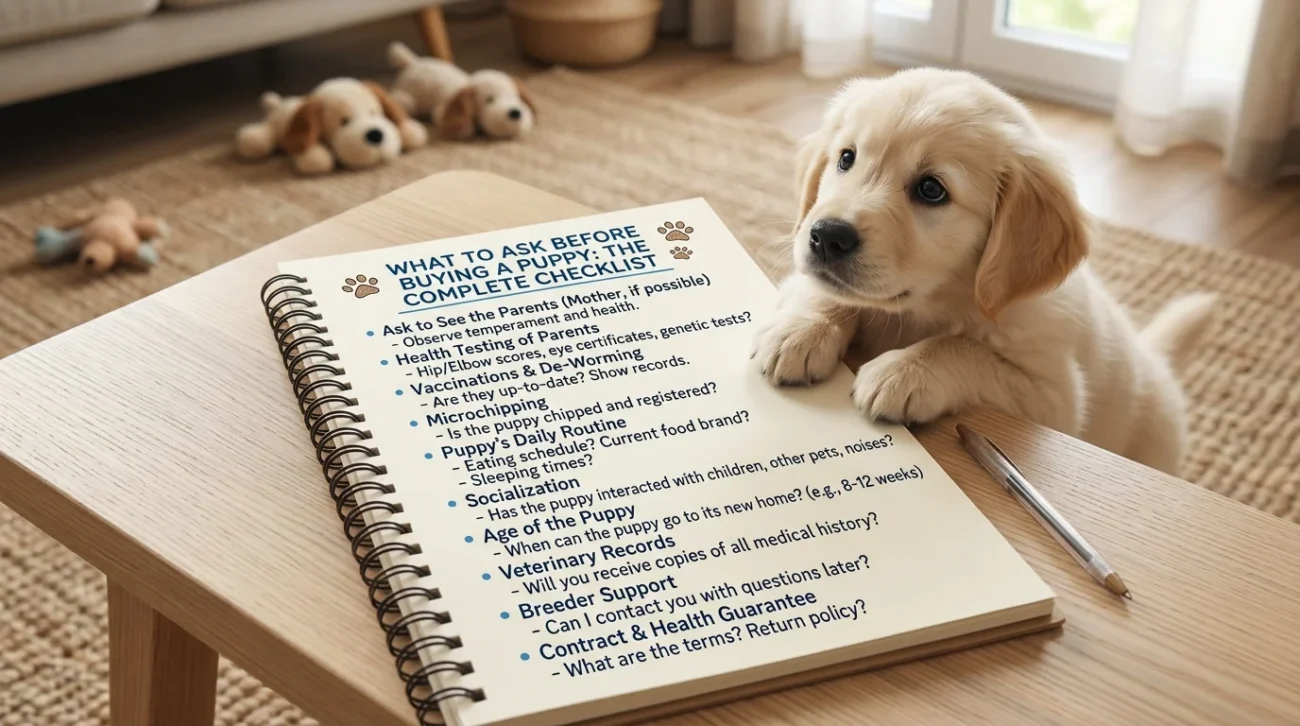
A responsible breeder should be willing to discuss the puppy’s background, health history, care, and parents.
They should also be comfortable answering reasonable questions about how the puppies are raised.
A seller who avoids basic questions or pressures buyers to make immediate decisions should be approached cautiously.
Ask About the Parents
The parents can provide useful information about the puppy’s background.
Ask about:
- The parents’ health
- Breed documentation where applicable
- Health screening
- Temperament
- Previous litters
- Veterinary history
- Known hereditary concerns
Responsible breeders should be transparent about relevant information.
Observe the Puppies
If you are able to visit, observe the puppies in their environment.
Look for puppies that appear appropriately active and responsive for their age.
The environment should be clean and reasonably maintained, and the puppies should have access to appropriate care.
However, appearance alone cannot establish health. A veterinary examination is important.
Request Veterinary Information
Ask what veterinary care the puppy has already received.
Depending on age and location, this may include veterinary examinations, vaccinations, parasite control, and other appropriate care.
Ask for records rather than relying solely on verbal statements.
Red Flags When Searching for Small Dogs for Sale
Extremely Low Prices
An unusually low price should encourage additional questions rather than an immediate purchase.
Price alone does not determine whether a seller is responsible, but unusually cheap puppies may sometimes be associated with inadequate care or other concerns.
Investigate the source before making a decision.
Pressure to Pay Immediately
Be cautious if someone insists that you pay quickly without allowing reasonable questions.
A responsible purchase should give you time to evaluate the puppy, the seller, and the long-term commitment.
No Information About the Parents
A seller who refuses to provide basic information about the puppy’s parents should raise questions.
Health and temperament history can be useful when evaluating a puppy.
Unclear Health Records
Prospective owners should request clear veterinary documentation.
If records are incomplete or confusing, ask a veterinarian for guidance before completing a purchase.
Misleading Size Claims
Terms such as “micro,” “teacup,” or “extra tiny” may be used in marketing.
Buyers should be cautious about choosing puppies based on extreme size claims.
A healthy, appropriately bred dog should be the priority rather than obtaining the smallest possible puppy.
Small Dog Care Basics
Feeding
Small dogs require an appropriate diet based on their age, size, activity level, and individual health.
Puppies have different nutritional needs from adult dogs.
Owners should follow veterinary guidance and choose food appropriate for the dog’s life stage.
Avoid making major dietary changes without appropriate advice.
Exercise
Small dogs still need regular movement.
Exercise should be appropriate for the dog’s age, physical condition, and breed characteristics.
Walks, supervised play, and indoor activities can all contribute to a healthy routine.
Grooming
Grooming needs vary significantly.
Short-coated dogs may require relatively simple coat maintenance, while long-haired and curly-coated breeds can require frequent brushing and professional grooming.
Nail care, dental care, ear care, and general hygiene should also be considered.
Veterinary Care
Routine veterinary care is an essential part of dog ownership.
A veterinarian can help establish an appropriate schedule for vaccinations, parasite prevention, dental care, examinations, and other health needs.
Owners should also know the normal behavior of their dog so that changes can be noticed and discussed with a professional.
Training Small Dogs
Start With Basic Commands
Simple commands can help establish communication between the owner and dog.
Useful foundations may include:
- Sit
- Stay
- Come
- Leave it
- Down
- Appropriate leash behavior
Training should be consistent and adapted to the individual dog.
House-Training Requires Patience
House-training can take time.
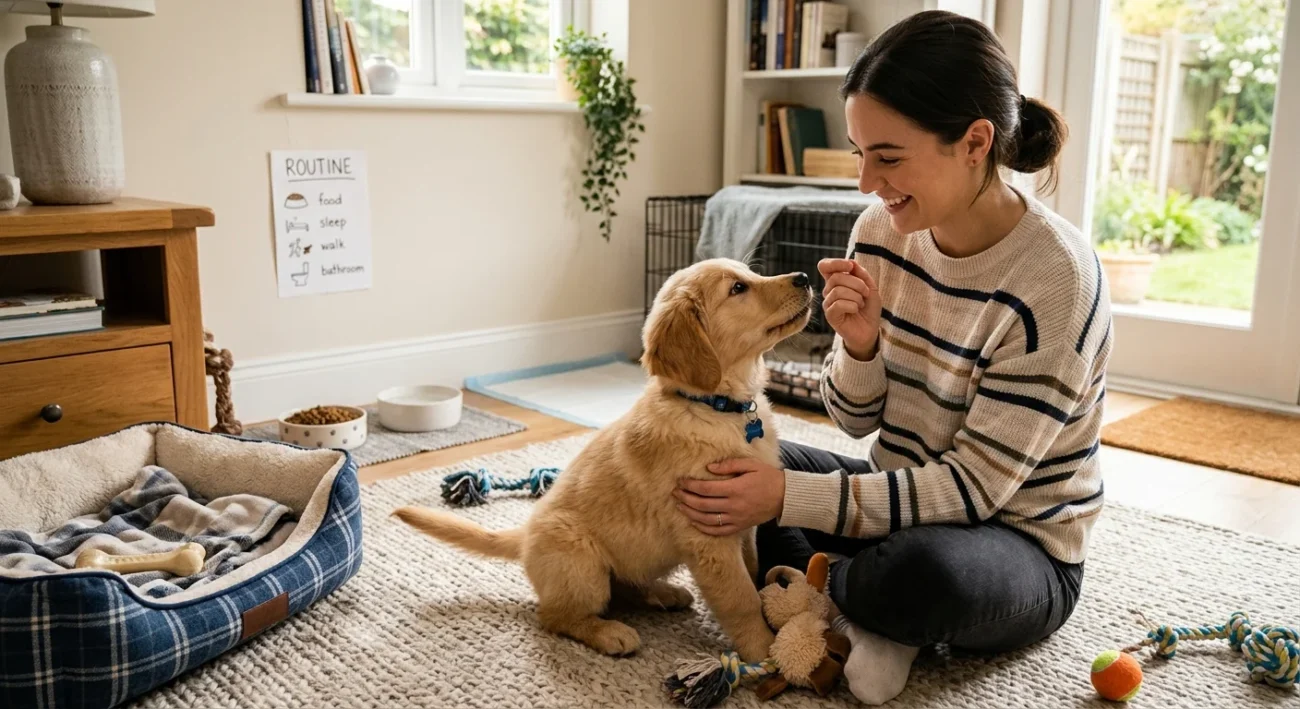
Owners should establish predictable routines, supervise the puppy, and reward appropriate behavior.
Accidents are part of the learning process for many puppies and should be handled calmly.
Socialization Matters
Puppies benefit from appropriate exposure to different sights, sounds, people, and environments.
Socialization should be gradual and safe.
The goal is to help the puppy develop confidence and learn how to respond appropriately to everyday experiences.
read more about best puppies for families
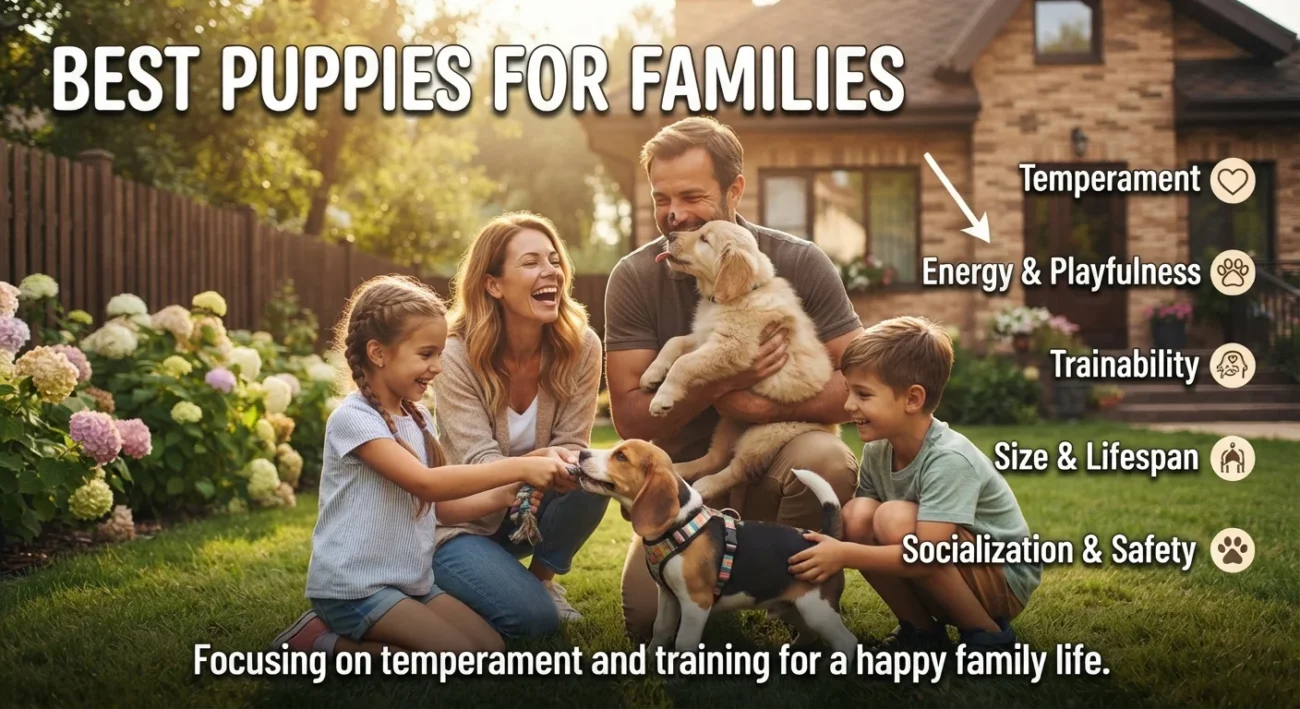
Small Dogs and Families With Children
Supervision Is Important
A small dog can be physically vulnerable around young children.
Even a friendly child may accidentally hurt a small puppy by picking it up incorrectly, dropping it, stepping on it, or playing too roughly.
Children should be taught how to interact safely with dogs.
Teach Respect for the Dog’s Space
Children should learn not to disturb a dog while it is eating, sleeping, or resting.
They should also learn to recognize when a dog wants space.
Responsible adult supervision is particularly important for young children.
Small Dogs and Other Pets
Introductions Should Be Gradual
If you already have another pet, introducing a new puppy should be handled carefully.
Allow the animals to become familiar with one another gradually and supervise their interactions.
Do not assume that two animals will automatically become friends because one or both are small.
Consider the Individual Temperaments
Breed tendencies can provide general information, but individual personality matters.
Some dogs are naturally more comfortable around other animals, while others may be more cautious.
A gradual introduction allows owners to observe how the animals respond.
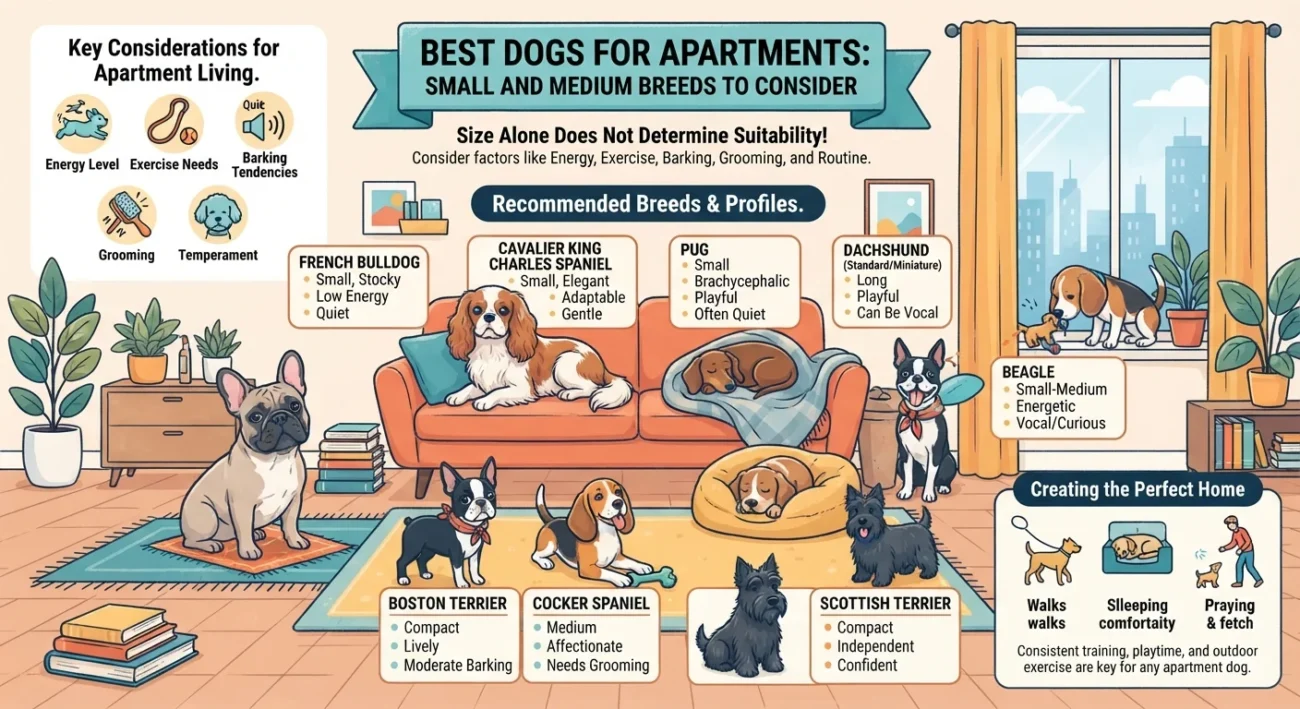
Apartment Living With Small Dogs
Small Space Does Not Mean No Exercise
A small apartment can accommodate some small breeds, but owners still need to provide appropriate daily activity.
Indoor space can support play, but outdoor walks and environmental enrichment may also be important.
Noise Can Matter
Some small dogs are alert and may vocalize when they hear unfamiliar sounds.
For apartment residents, it can be useful to consider the breed’s general tendency toward alertness and barking.
Training and appropriate enrichment can help manage household behavior.
Understanding the Difference Between Small and Teacup Dogs
Size Should Not Be the Only Goal
People searching for extremely small dogs sometimes encounter advertisements for “teacup” puppies.
The term is not a separate universally recognized dog breed. It is often used to describe dogs that are unusually small.
Prospective owners should prioritize responsible breeding, appropriate development, health, and temperament rather than selecting a puppy simply because it is exceptionally tiny.
Ask for Accurate Information
When evaluating an advertisement, ask about the puppy’s expected adult size, parents, health history, and veterinary care.
A responsible seller should provide realistic information rather than promising an extremely small adult dog without appropriate evidence.
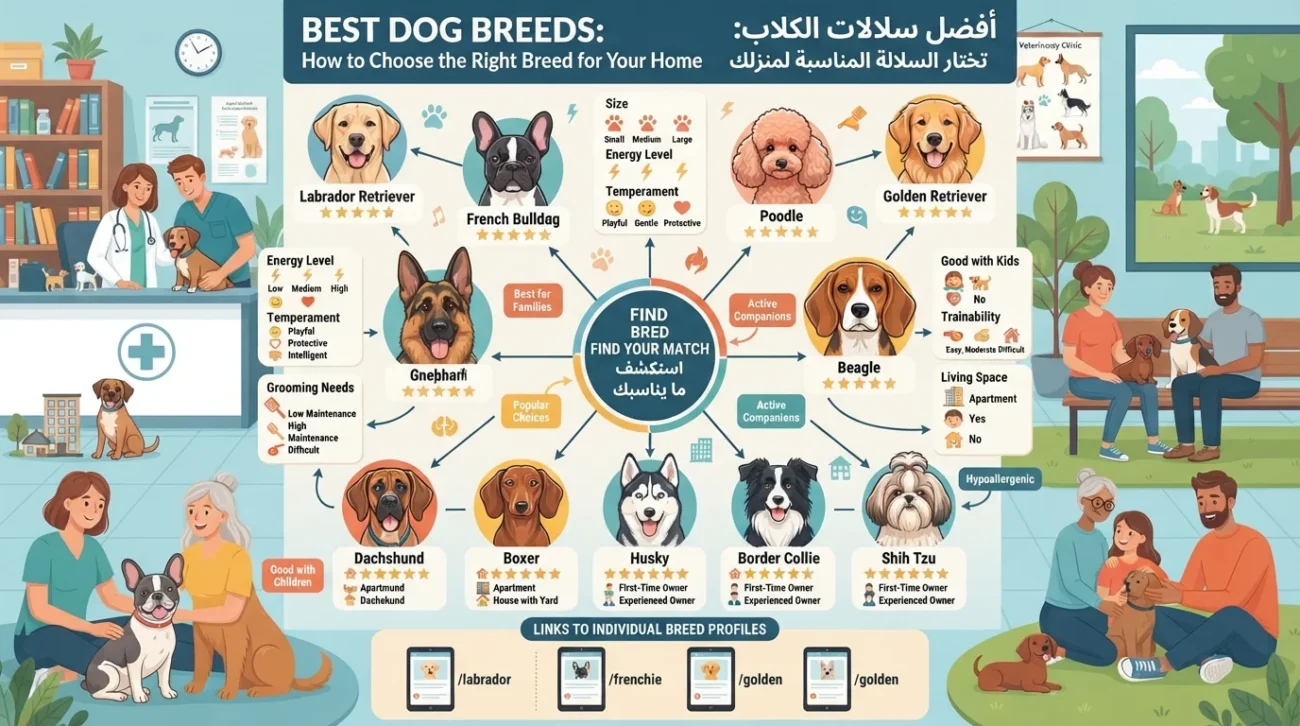
How to Compare Small Dog Breeds
Create a Personal Priority List
Before choosing a breed, rank your priorities.
For example:
- Grooming requirements
- Activity level
- Adult size
- Training needs
- Temperament
- Compatibility with children
- Compatibility with other pets
- Veterinary considerations
- Availability of responsible breeders
- Long-term financial commitment
This approach makes the decision more objective.
Match the Breed to Your Lifestyle
Someone who enjoys training may appreciate a Toy Poodle or Papillon.
Someone looking for a compact companion may consider a Maltese or Shih Tzu.
Someone attracted to a very small, alert dog may investigate the Chihuahua.
Someone who enjoys a lively personality and substantial coat care may consider a Pomeranian.
These examples are general rather than guarantees. Individual dogs can differ significantly from typical breed descriptions.
Small Dogs for First-Time Owners
Focus on Manageability Rather Than Size Alone
First-time owners sometimes assume that a small dog will automatically be easier.
That is not always true.
A small dog can still bark, resist training, require grooming, become anxious, or develop behavioral problems if its needs are not met.
First-time owners should select a breed based on overall compatibility rather than physical size alone.
Invest in Training Early
Early training can establish good habits before undesirable behaviors become established.
Professional training can also be helpful when owners need guidance.
The goal is to build a positive relationship based on clear communication and consistent expectations.
Building a Responsible Relationship With Your Dog
Treat the Dog as a Long-Term Commitment
Buying a puppy is the beginning of a long-term responsibility.
Prospective owners should think beyond the excitement of bringing home a new dog.
Consider what life will look like several years from now.
Will your housing situation change?
Will your work schedule change?
Can you continue paying for veterinary care?
Can you provide care during vacations or travel?
Thinking about these questions before purchasing can prevent difficult situations later.
Choose Health and Temperament Over Appearance
A puppy’s appearance can be appealing, but responsible ownership begins with more important considerations.
Health, appropriate development, temperament, responsible breeding, and compatibility with the household should be prioritized.
Coat color, unusual markings, or extremely small size should not be the main reason for choosing a dog.
read more about best dogs for apartments
Small Dogs for Sale
Searching for small dogs for sale can be exciting, especially when you encounter adorable Pomeranian, Maltese, Shih Tzu, Chihuahua, Toy Poodle, Yorkshire Terrier, Papillon, and other small puppies.
However, the best choice is not necessarily the smallest dog, the most expensive dog, or the one with the most attractive photograph.
The best choice is the dog whose general characteristics and individual needs fit your household.
Pomeranians can appeal to people who appreciate an energetic small companion and are prepared for regular coat care. Maltese dogs can suit owners who want a compact companion and are willing to maintain a long, silky coat. Shih Tzus can appeal to people seeking a small companion with regular grooming requirements. Chihuahuas offer a very small physical size while still requiring training, socialization, and appropriate supervision. Toy Poodles can be attractive to owners who enjoy training and mental stimulation. Other small breeds, including Yorkshire Terriers, Miniature Schnauzers, Papillons, and miniature Dachshunds, offer additional options with their own distinctive characteristics.
When considering small puppies for sale, take your time. Research the breed, evaluate your lifestyle, investigate the seller, ask about the parents, review veterinary records, and consider the dog’s long-term needs.
Remember that purchasing a dog is not simply a transaction. It is a commitment to provide food, shelter, training, companionship, veterinary care, safety, and responsible attention throughout the dog’s life.
A thoughtful decision made before bringing a puppy home can make the transition easier for both the owner and the dog. By focusing on compatibility, responsible sourcing, realistic expectations, and proper care, prospective owners can choose a small dog that has a much better chance of becoming a happy and well-integrated member of the household.